Are you looking for a place that feels different every few months, without ever losing its appeal? That is part of what makes New Hampshire’s lakes and mountains so compelling. If you are thinking about a luxury home, weekend retreat, or seasonal property here, understanding how the region lives across all four seasons can help you choose the right fit. Let’s dive in.
Why New Hampshire Feels Truly Four-Season
New Hampshire describes its climate as changeable, with wide daily and seasonal temperature swings. The state also notes that it enjoys all four seasons, with short, cool summers, long, cold winters, and especially memorable fall foliage.
That natural variety shapes the lifestyle in the Lakes Region and White Mountains. With about 1,300 lakes or ponds, roughly 40 rivers, and Mount Washington rising to 6,288 feet, you get a rare mix of waterfront and mountain living within one broader region.
For buyers, that means you are not choosing between scenery and activity. You are choosing how you want to experience both, whether that is mornings by the water, afternoons on the trail, or winter weekends near ski terrain.
Lakes Region Living
The Lakes Region centers around Lake Winnipesaukee, which Visit NH identifies as the state’s largest and most popular lake. The broader region also includes 273 bodies of water and more than 200 miles of shoreline, which helps explain why lake living can feel both active and relaxed.
Towns along the scenic drive, including Alton, Center Harbor, Moultonborough, Meredith, Laconia, and Wolfeboro, each bring a slightly different pace. Some feel lively and walkable near shops and dining, while others lean quieter and more scenic.
Wolfeboro is one of the clearest examples of the area’s lake culture. Visit NH identifies it as the first American summer resort, and the town is still known for waterfront dining, concerts, museums, and trolley tours.
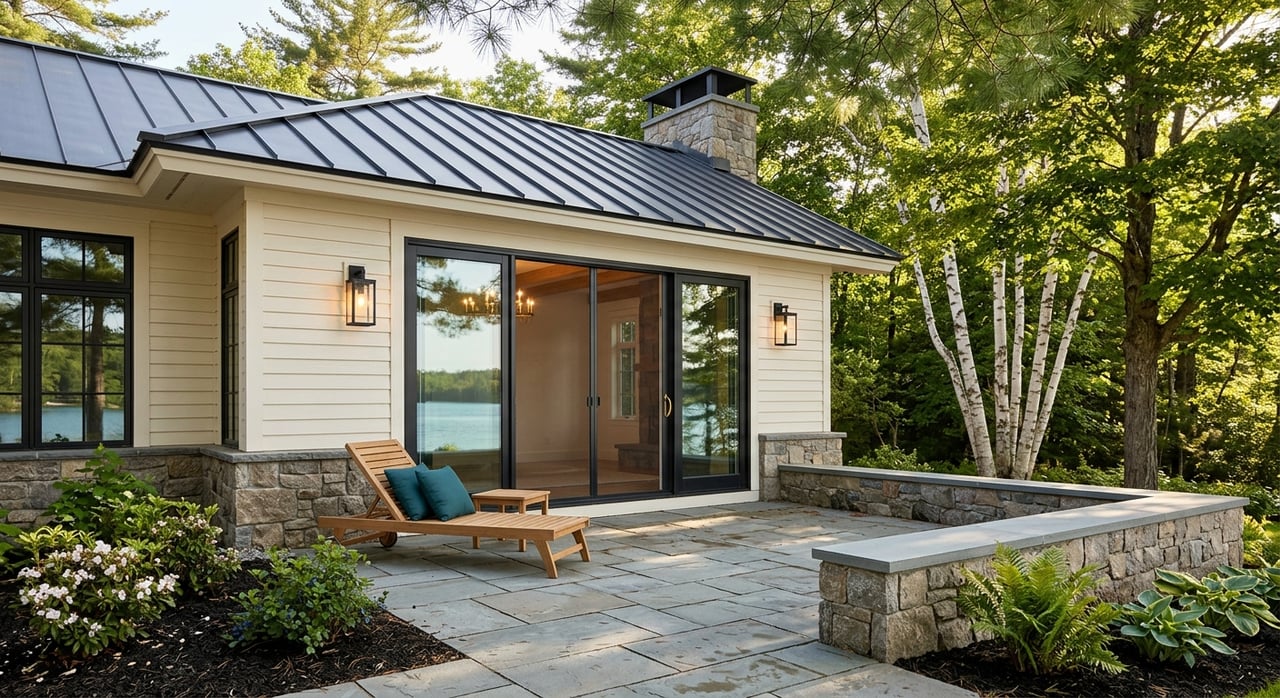
If you are drawn to a luxury lake home, this part of New Hampshire often appeals to buyers who want easy access to boating, beaches, cruises, and a strong seasonal social calendar. It offers a setting that can work for both private downtime and hosting family or friends.
White Mountains Living
The White Mountains offer a different kind of four-season rhythm. Visit NH’s White Mountains route connects Conway, Lincoln, Franconia Notch, Bethlehem, Bretton Woods, and Gorham, creating a corridor shaped by views, recreation, and mountain-town character.
This side of the region tends to appeal to buyers who want immediate access to trails, scenic drives, and winter sports. The White Mountain National Forest adds depth to that picture with more than 1,200 miles of non-motorized trails and year-round recreation.
Mountain towns often function as more than vacation backdrops. They support an active lifestyle in every season, from spring waterfall outings to summer hiking, fall drives, and winter ski weekends.
That said, mountain living comes with practical realities. The White Mountain National Forest notes that weather can change quickly, even on a clear day, so buyers often value homes with smart storage, flexible mudroom space, and easy access for seasonal gear.
What Spring Feels Like Here
Spring in New Hampshire is a transition season, but it is far from quiet. Visit NH describes spring as maple season, spring hikes, and waterfalls as the snow begins to thaw and temperatures start rising.
This is also when the state’s maple identity comes forward. Sap flows during the short window when days warm and nights still drop, and more than 90 sugarhouses open for New Hampshire Maple Weekend.
For homeowners, spring can feel like the reset season. Trails reopen, patios come back to life, and the landscape shifts from snow-covered to green in stages instead of all at once.
If you are considering a second home, spring matters because it shows you how a property handles change. Driveways, water views, outdoor spaces, and access routes can all look and feel different during this in-between part of the year.
What Summer Feels Like Here
Summer is when the lake side of the region shines brightest. Visit NH highlights beaches, lakes, rivers, kayaking, canoeing, cruises, biking, and waterfront dining as central parts of the season.
The state also notes more than 400 public-access boating sites and 1,300 ponds and lakes statewide. In practical terms, that makes it easier to build a summer routine around the water, whether you own directly on the lake or simply want convenient access nearby.
Laconia and Wolfeboro often stand out in summer because they combine waterfront energy with dining, shopping, museums, concerts, and community events. Meredith also adds to the appeal with a polished lakeside feel that many buyers find attractive.
For luxury buyers, summer often clarifies how you want to use the property. Some homes are better for quiet mornings on the dock, while others are ideal for entertaining, boat days, and gathering space that spills outdoors.
What Fall Feels Like Here
Fall is often the season people picture first when they think about New Hampshire. Visit NH emphasizes cooler weather from September through early December, along with scenic drives, apple picking, pumpkins, train rides, biking, fishing, and scenic chairlift rides.
In the Lakes Region, fall layers orchard stops, cider, and lake views into the experience. Meredith’s Autumn Craft Festival on the Lake is one example of how lakeside communities stay active well beyond summer.
In the mountains, the season is shaped by foliage and road trips, especially through the White Mountains. Because peak color can vary, Visit NH offers a foliage tracker, which reflects how closely people follow the changing landscape each year.
For a homeowner, fall can be one of the most rewarding times to be here. The pace often feels calmer than summer, but there is still plenty happening, and the views can make even an ordinary weekend feel special.
What Winter Feels Like Here
Winter is a major part of the region’s identity. Visit NH says New Hampshire has 19 ski areas and one of the most extensive cross-country ski trail networks in the East, along with sleigh rides, snowmobiling, ice skating, and après ski.
Bretton Woods, Loon, and Waterville Valley help define that winter lifestyle with major alpine and Nordic offerings. For buyers who want a true cold-weather retreat, proximity to these destinations can shape where and how you search.
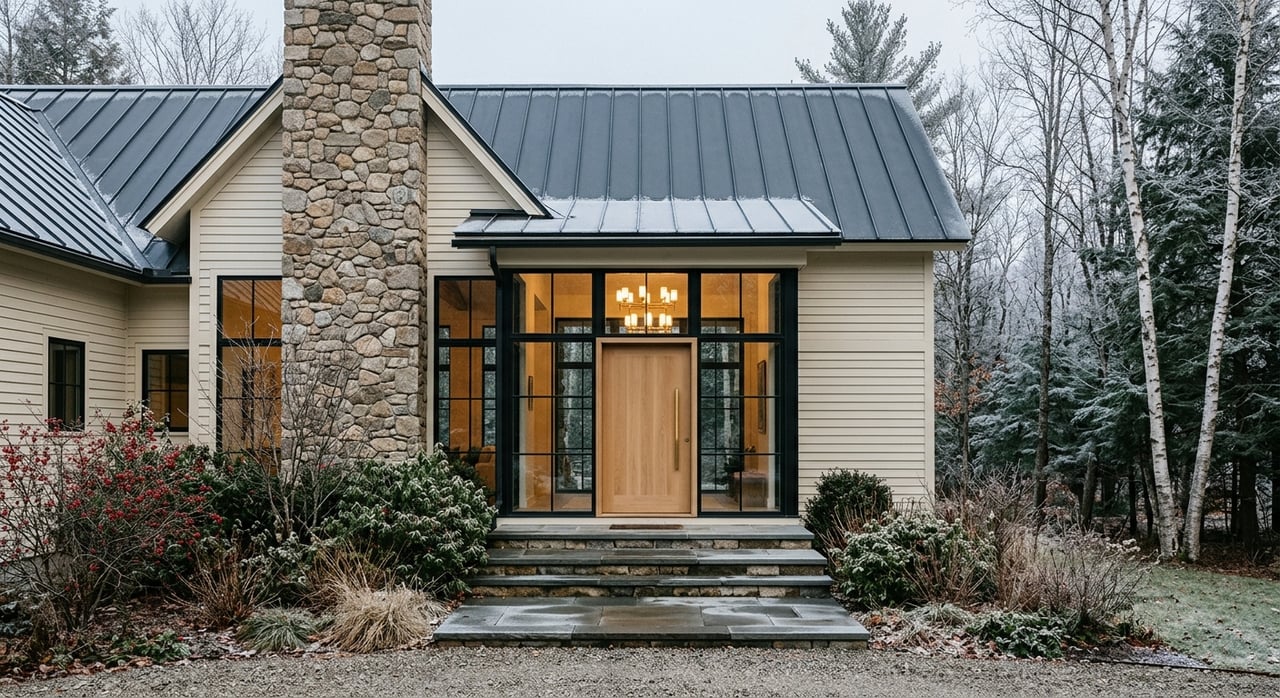
Winter here is not only about skiing. It is also about the way a home functions, from comfortable gathering areas to practical entry space for boots, coats, and equipment.
If you are exploring a mountain property, weather awareness matters. The White Mountain National Forest notes that higher-summit weather can be unpredictable, which is one reason many buyers value homes that support active use instead of purely passive ownership.
Events That Keep the Region Active
One of the strongest arguments for four-season living is the event calendar. Visit NH’s annual events list includes the Fields of Lupine Festival in Franconia and Sugar Hill, Laconia Motorcycle Week, the New Hampshire Highland Games at Loon Mountain in Lincoln, Alpine Advent in Waterville Valley, and Journey to the North Pole from North Conway and Lincoln.
These events show that the region does not shut down between peak travel periods. Instead, it offers recurring reasons to return, host guests, or spend longer stretches at your property.
That consistency matters if you are considering a second home. A place tends to feel more worthwhile when it gives you reasons to use it throughout the year, not just during one short season.
What Luxury Buyers Should Consider
A lake house or mountain home in New Hampshire can feel like four properties in one. Spring brings maple season and waterfalls. Summer turns the focus to boating and shoreline living. Fall delivers foliage and scenic drives. Winter shifts the experience toward ski access and snow-season recreation.
That kind of year-round appeal can be a real advantage, but it also means you should buy with your actual lifestyle in mind. A property here usually works best when you plan to use it actively and appreciate the seasonal changes that come with the setting.
As you compare options, it helps to think through a few basics:
- How close do you want to be to the water, trails, or ski access?
- Do you want a lively town setting or a quieter retreat?
- How much gear storage will you need for boating, hiking, or winter sports?
- Will you use the home mainly in one season or throughout the year?
- Do you want a property designed for entertaining, privacy, or both?
The right home is not only about the view. It is about how well the property supports the way you want to spend your time in every season.
If you are exploring luxury homes in New Hampshire’s lakes and mountains, working with an experienced team can help you narrow the choices and focus on the locations and property types that truly fit your goals. To start your search with local guidance and a relationship-first approach, connect with Julie Tsakirgis.
FAQs
What makes New Hampshire’s Lakes Region appealing for four-season living?
- The Lakes Region offers waterfront access, boating, beaches, dining, seasonal events, and fall scenery, with communities like Wolfeboro, Meredith, Laconia, Alton, Center Harbor, and Moultonborough contributing to a year-round lifestyle.
What makes the White Mountains appealing for four-season living in New Hampshire?
- The White Mountains combine scenic drives, hiking, waterfalls, foliage, ski access, and more than 1,200 miles of non-motorized trails, creating a strong year-round lifestyle across towns like Conway, Lincoln, Bethlehem, Bretton Woods, and Gorham.
What should buyers consider before purchasing a New Hampshire lake or mountain home?
- Buyers should think about weather variability, proximity to activities, storage for seasonal gear, how often they will use the home, and whether they want a lively town setting or a more private retreat.
Is New Hampshire a good place for a seasonal or second home?
- New Hampshire can be a strong option for a seasonal or second home if you want a property that supports active use across spring, summer, fall, and winter rather than serving as a low-maintenance, rarely used retreat.
What is summer like in New Hampshire’s Lakes Region?
- Summer centers on beaches, lakes, rivers, kayaking, canoeing, cruises, biking, waterfront dining, and public water access, with the region’s shoreline and lake communities becoming especially active.
What is winter like in New Hampshire’s mountain towns?
- Winter in mountain towns is shaped by ski areas, cross-country trails, snowmobiling, ice skating, sleigh rides, and changing mountain weather, making function and access important parts of homeownership.