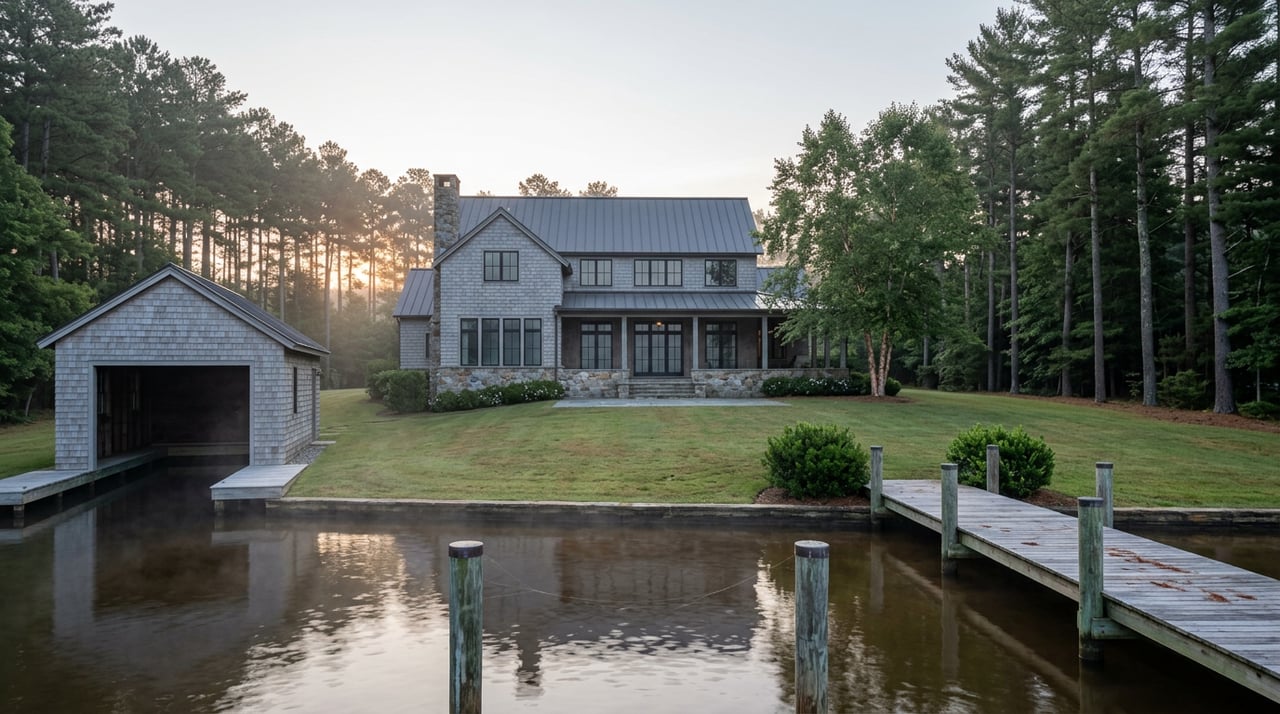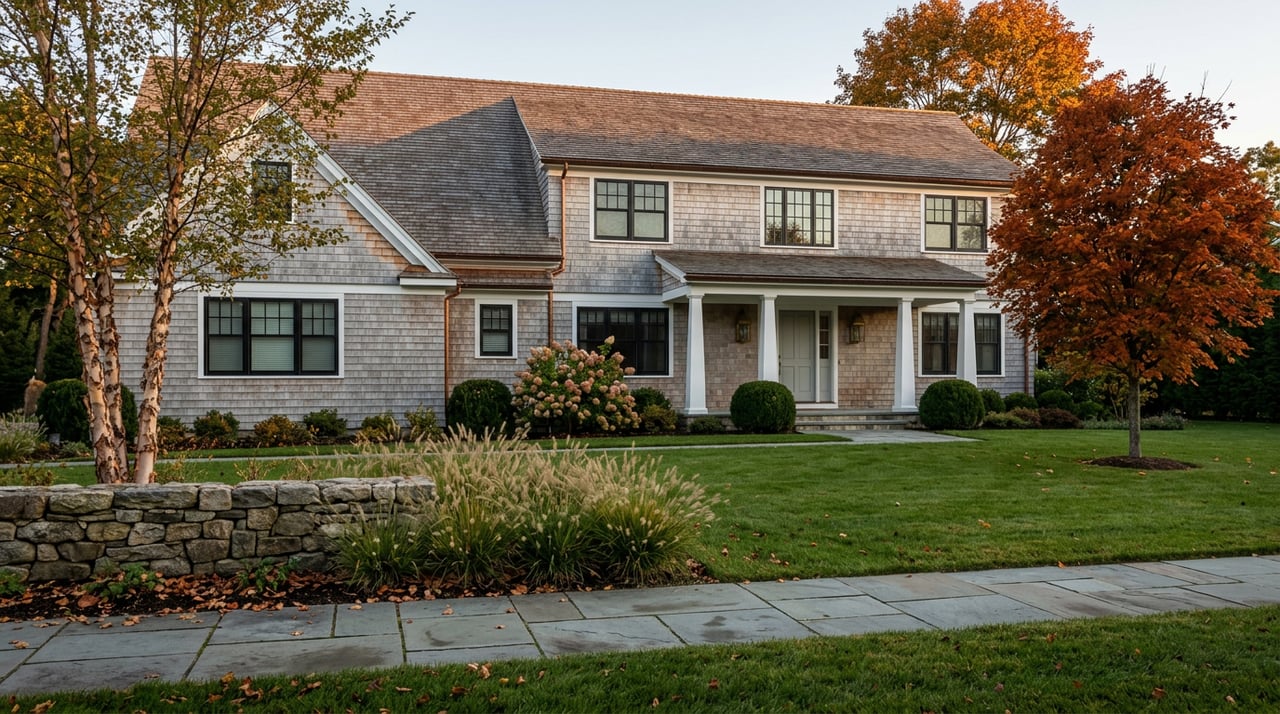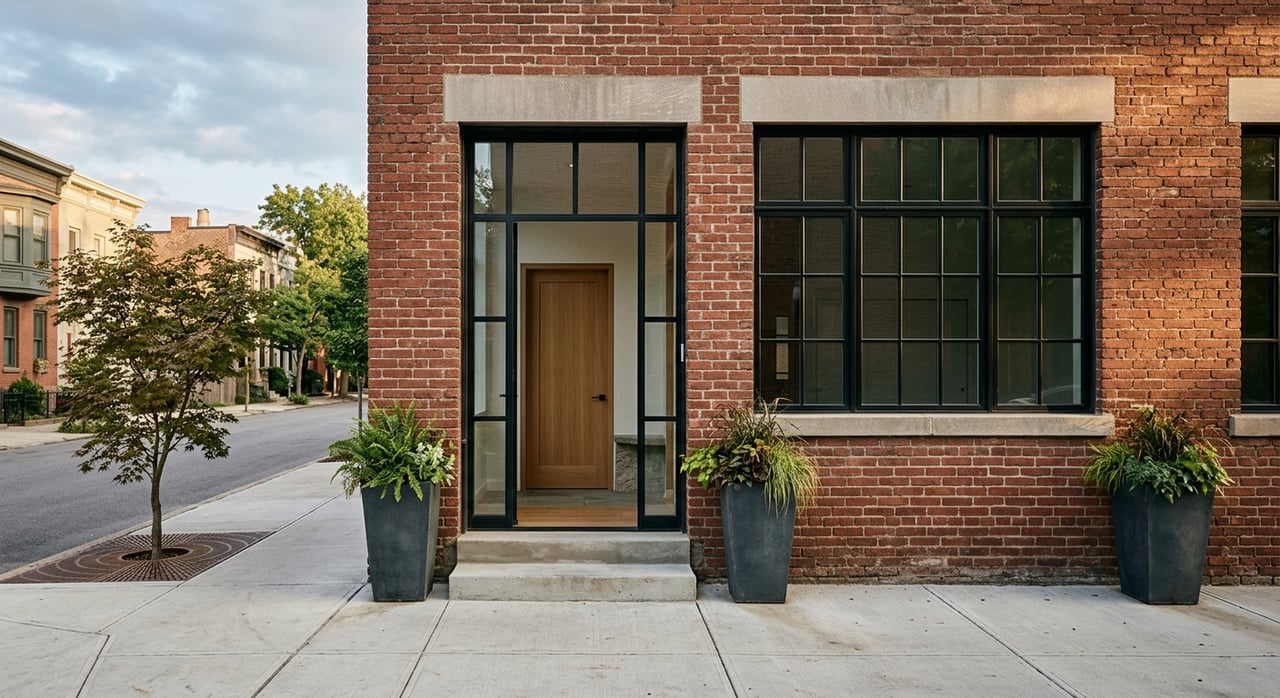
If you are thinking about buying in South Boston, one question can shape your whole search: what kind of home actually fits the way you want to live? In a neighborhood where older rowhouses, triple-deckers, newer condo buildings, and industrial loft conversions all exist side by side, the right choice is not always obvious. This guide will help you compare condo, townhouse, and loft living in South Boston so you can weigh space, fees, privacy, and long-term value with more confidence. Let’s dive in.
South Boston housing options at a glance
South Boston is one of Boston’s long-established residential neighborhoods, with a strong sense of history and tradition. City sources also note that Fort Point is part of South Boston and continues to be a hub for the arts community. That mix of old and new helps explain why you will see traditional attached homes, small condo buildings, and more modern developments in the same broader area.
Boston planning data also shows how common multi-unit housing is across the city. The city’s fair housing assessment reports that 24% of Boston’s housing units are in 3 to 4 unit structures, and it found that the South Boston and Seaport District saw a 39.8% increase in housing units from 2011 to 2019. For buyers, that means South Boston offers several very different ownership experiences, even within a relatively compact neighborhood.
Recent market snapshots point to a high-priced but active market. Redfin places South Boston’s median sale price at about $1.05 million, while Realtor.com shows a median listing price around $1.13 million and a median of 39 days on market. Nearby South Boston Waterfront comes in higher at about $1.35 million on Realtor.com, which suggests a meaningful waterfront premium.
Small-building condos in South Boston
Many South Boston condos are created from triple-deckers, rowhouses, and other 2 to 4 unit buildings. A Boston Landmarks Commission study describes South Boston as being dominated by triple-deckers and attached rowhouses, which is part of what gives many streets their familiar neighborhood-scale character. If you want a home that feels more residential than corporate, this category often gets your attention first.
A small-building condo can offer a good middle ground between a single-family home and a larger building. You may get less maintenance than a standalone house, but still keep a more intimate setting with fewer shared spaces and fewer neighbors. For many buyers, that balance is a big part of the appeal.
The tradeoff is that smaller associations may have less financial cushion when a major repair comes up. Roof work, exterior repairs, or mechanical updates can affect each owner more directly because there are fewer units sharing the cost. In South Boston, where many buildings are older, that makes document review especially important.
What to look at in a small condo association
Before you move forward, it helps to look beyond finishes and square footage. A lower monthly fee can look attractive at first, but it does not always mean the building is better prepared for future costs.
Focus on:
- Current condo fees
- Reserve funding
- Recent or planned assessments
- Maintenance history
- Condition of shared systems and exterior surfaces
- Rules in the master deed and bylaws
Under Massachusetts condominium law, condos are governed through deeds, bylaws, master condominium documents, and Chapter 183A. State guidance also says an adequate replacement reserve fund must be collected as part of common expenses. That is why the health of the association matters almost as much as the unit itself.
Larger condo associations near the waterfront
South Boston also includes larger condo associations, especially in newer or fully redeveloped buildings near the waterfront and Fort Point. These buildings can appeal to buyers who want professional management and a more structured ownership experience. In some cases, that can also mean newer systems and a more predictable approach to maintenance.
For many buyers, the biggest advantage is convenience. A professionally managed building may simplify upkeep and create a more streamlined day-to-day ownership experience. If you prefer a lock-and-leave lifestyle, this can be a strong fit.
The tradeoff is usually cost and governance. Monthly fees are often higher because they fund common expenses and reserves, and larger associations may have more rules. In a market where values are already in the low-$1 million range, those ongoing costs deserve the same attention as the purchase price.
When a larger association makes sense
A larger condo association may be worth a closer look if you want:
- Less hands-on building oversight
- Professional management
- Newer construction or redeveloped buildings
- A more predictable maintenance structure
- A lifestyle that prioritizes convenience
That said, you still need to read the association documents carefully. Budget strength, reserve funding, and maintenance planning all affect your ownership costs and future resale position.
Townhouse living in South Boston
If you want something that feels more like a house, a townhouse may be the best fit. Massachusetts building code guidance defines a townhouse as a single-family dwelling unit in a group of three or more attached units, with each unit extending from foundation to roof and having a yard or public way on at least two sides. In South Boston, townhouse-style homes are generally attached and multi-level, since detached houses are relatively rare.
For buyers who want more separation between living areas, townhouses often check important boxes. Multi-level layouts can create a stronger sense of privacy, and the overall feel can be more house-like than a standard condo apartment. That can be especially appealing if you want distinct spaces for work, guests, or everyday routines.
Still, the exterior style does not always tell you the ownership structure. Some townhouse-style homes may still sit within a condo association or another recorded ownership setup. That means you should confirm exactly what you own, what you maintain, and what the governing documents require.
Why buyers choose townhouses
Townhouses often stand out for practical reasons, including:
- More vertical separation of space
- A more private feel than a single-level condo
- House-like layout and entry experience
- Potential for clearer division between living and sleeping areas
The main caution is simple: never assume townhouse style means fewer rules or no shared obligations. In South Boston, paperwork matters just as much as floor plan.
Loft living in Fort Point
If character is your priority, loft living may be the most distinctive option in the South Boston area. Boston describes the Fort Point Channel area as the city’s largest and most cohesive collection of late-19th- and early-20th-century industrial loft buildings. The city’s arts department also describes Fort Point as a neighborhood where artists live and work in former brick-and-beam warehouses.
That history shapes the living experience. Buyers are often drawn to lofts for open layouts, high ceilings, and architectural details that are hard to replicate in newer construction. If you value volume, texture, and a less conventional layout, lofts can feel special right away.
The tradeoff is that open plans are not ideal for everyone. A space with fewer enclosed rooms may feel less private or less flexible if you need many separate areas. As with any unique property type, the features that make a loft exciting are also the ones you should evaluate most carefully.
How to compare these options
In South Boston, you are not just comparing addresses. You are comparing ownership styles, monthly obligations, privacy, and long-term flexibility. The best match usually comes down to how you want to live day to day.
Here is a simple way to think about the four broad choices buyers often weigh:
| Property type | Often appeals to buyers who want | Main tradeoff |
|---|---|---|
| Small-building condo | A residential feel with fewer units | Less financial cushion for major repairs |
| Larger condo association | Convenience and professional management | Higher monthly carrying costs and more rules |
| Townhouse | More house-like space and privacy | Ownership structure may still involve shared governance |
| Loft | Character, high ceilings, and open layout | Less privacy and fewer enclosed rooms |
In many South Boston purchases, layout, light, parking, outdoor space, and fee structure matter as much as raw square footage. That is especially true in a neighborhood where older housing stock and newer development exist side by side.
Resale factors to keep in mind
When you buy in South Boston, it helps to think one move ahead. Even if you plan to stay for years, resale strength can affect how comfortable you feel with your purchase. Certain factors tend to carry extra weight here.
Association quality matters
Because condo fees fund common expenses and reserve funds, buyers should review budgets, maintenance history, reserve funding, and recent assessments before buying. This is especially important in smaller associations, where one major repair can affect a larger share of owners. A well-run building can help protect both your experience and your resale position.
Waterfront location needs extra review
Boston’s coastal resilience plan for South Boston covers the waterfront from Fort Point Channel to Moakley Park. If you are looking near the water, pay close attention to flood exposure, insurance considerations, and future infrastructure work. Those issues can influence both ownership costs and long-term planning.
Character can support demand
South Boston’s older housing stock and Fort Point’s loft district create a level of scarcity that many buyers notice. Renovated rowhouse condos and authentic loft conversions can stay attractive because the supply of true character properties is finite. In a neighborhood with continued demand, distinctive homes often hold strong appeal.
Choosing the right fit for your lifestyle
The most durable purchase is usually the one that matches your budget, privacy needs, and comfort with shared governance. A lower-fee condo may look great until a large repair hits. A larger building may offer convenience, but the monthly carrying costs need to feel sustainable. A townhouse may give you the layout you want, while a loft may win on character and volume.
That is why a smart South Boston search starts with your real priorities, not just a saved search alert. Once you know whether you value lower fees, more privacy, easier maintenance, or standout architectural character, your options become much easier to sort through.
If you are weighing condo, townhouse, or loft living in South Boston, working with an experienced team can help you compare not just listings, but the ownership realities behind them. For practical guidance on buying in Greater Boston, connect with Julie Tsakirgis and take the next step with confidence.
FAQs
What is the difference between a condo and a townhouse in South Boston?
- In South Boston, a condo usually refers to an ownership structure, while a townhouse often refers to an attached multi-level home style. Some townhouse-style homes may still be part of a condo association, so the legal documents matter.
Are small condo buildings common in South Boston?
- Yes. South Boston is known for triple-deckers, rowhouses, and other small multi-unit buildings, so many buyers will see condos in 2 to 4 unit properties.
What should buyers review in a South Boston condo association?
- Buyers should review condo fees, reserve funding, budgets, maintenance history, recent assessments, and the governing documents because these details affect both monthly costs and future risk.
Is loft living available in South Boston?
- Yes. Fort Point is the clearest South Boston-area option for loft living, with former industrial buildings known for open layouts, high ceilings, and historic character.
Do waterfront homes in South Boston require extra due diligence?
- Yes. Boston’s coastal resilience planning for South Boston means buyers near the water should pay close attention to flood exposure, insurance considerations, and possible future infrastructure work.