Buying your first condo in Boston can feel thrilling and overwhelming at the same time. Prices swing widely from block to block, buildings run the gamut from classic brownstones to glass towers, and every association plays by its own rules. You want a home you love without surprises on fees, financing, or closing. This guide breaks down what to expect, how to budget, and the key steps that keep your purchase smooth and low stress. Let’s dive in.
Boston market snapshot
Boston is a hyper-local market. Neighborhood and building type matter more than any single citywide number. Recent reporting shows the city stayed tight but more balanced than the peak seller’s market, with luxury pockets softening while mid-market and outer areas held steadier pace. You can see that nuance in the latest city recap that highlights varied trends by submarket and price band covered in Boston’s 2025 year review.
When you compare neighborhoods, expect very different price scales. Luxury areas like Back Bay, Midtown, and the Seaport commonly see median condo prices well into seven figures. Central neighborhoods such as the South End and Fenway often range from high six figures to low seven figures. Outer options like parts of Dorchester or Jamaica Plain trend lower, with tradeoffs in size, age, and commute.
Know your building type
Building type drives your monthly costs, rules, and risk profile. In Boston you will most often see:
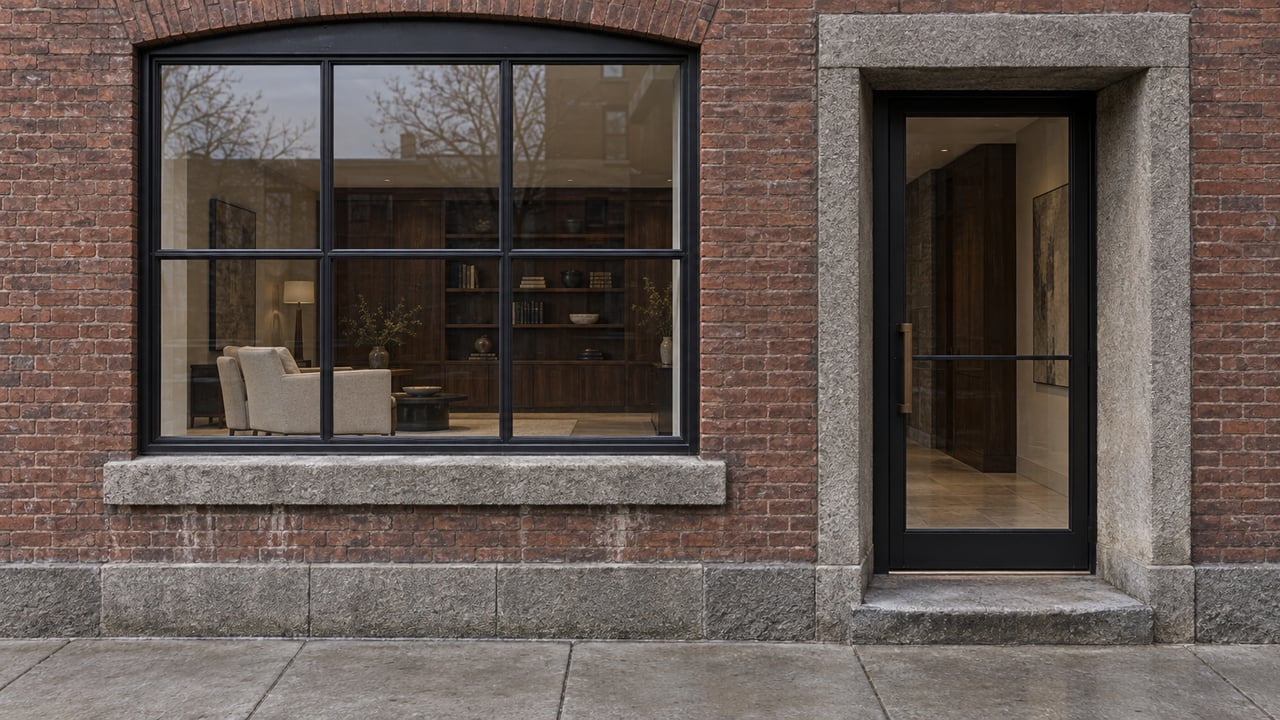
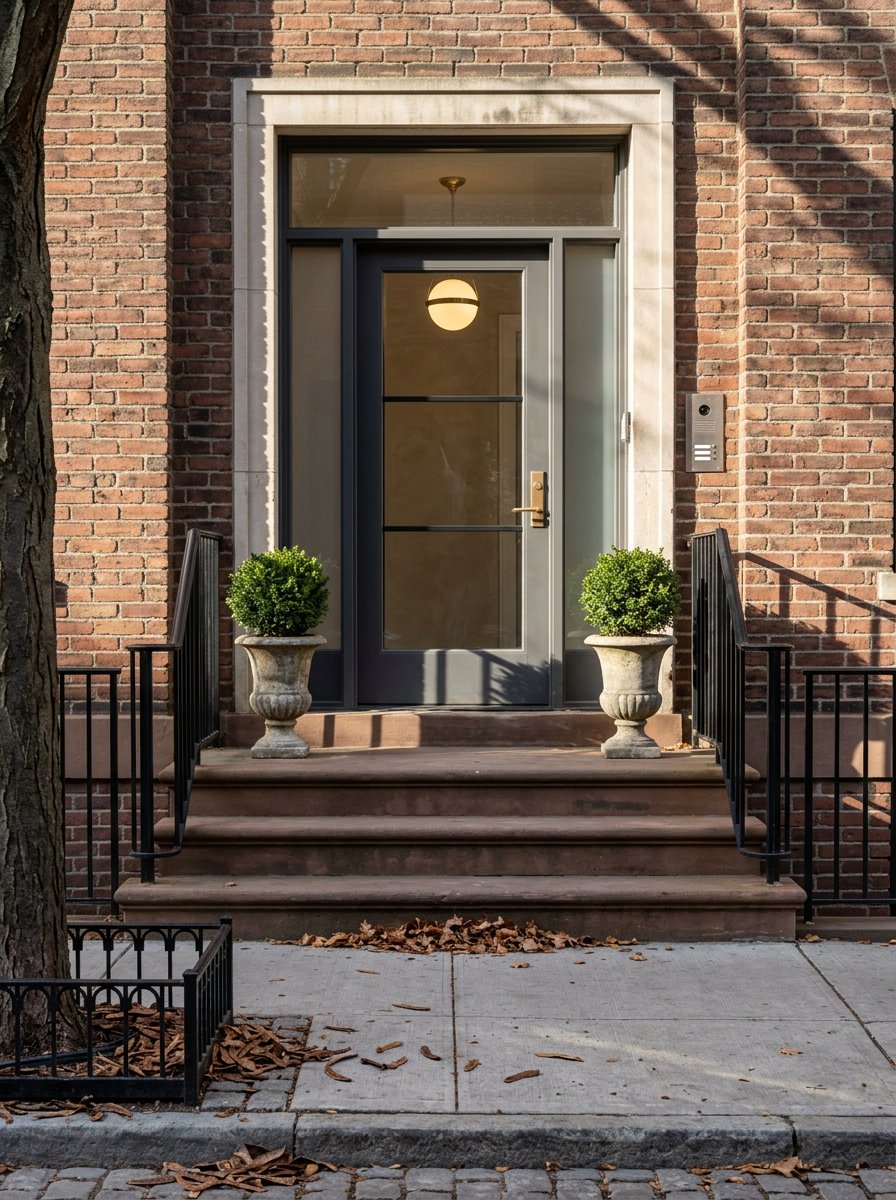
- Historic brownstone or rowhouse conversions (Back Bay, Beacon Hill, South End). Associations are small, sometimes just a few units, with variable reserve funding. Expect potential ambiguity on who handles items like windows or chimneys unless the master deed is clear.
- Mid-rise masonry or mixed-use buildings (South End, Fenway, Charlestown). These range from modest walk-ups to amenity buildings with centralized heat or hot water, which can raise dues.
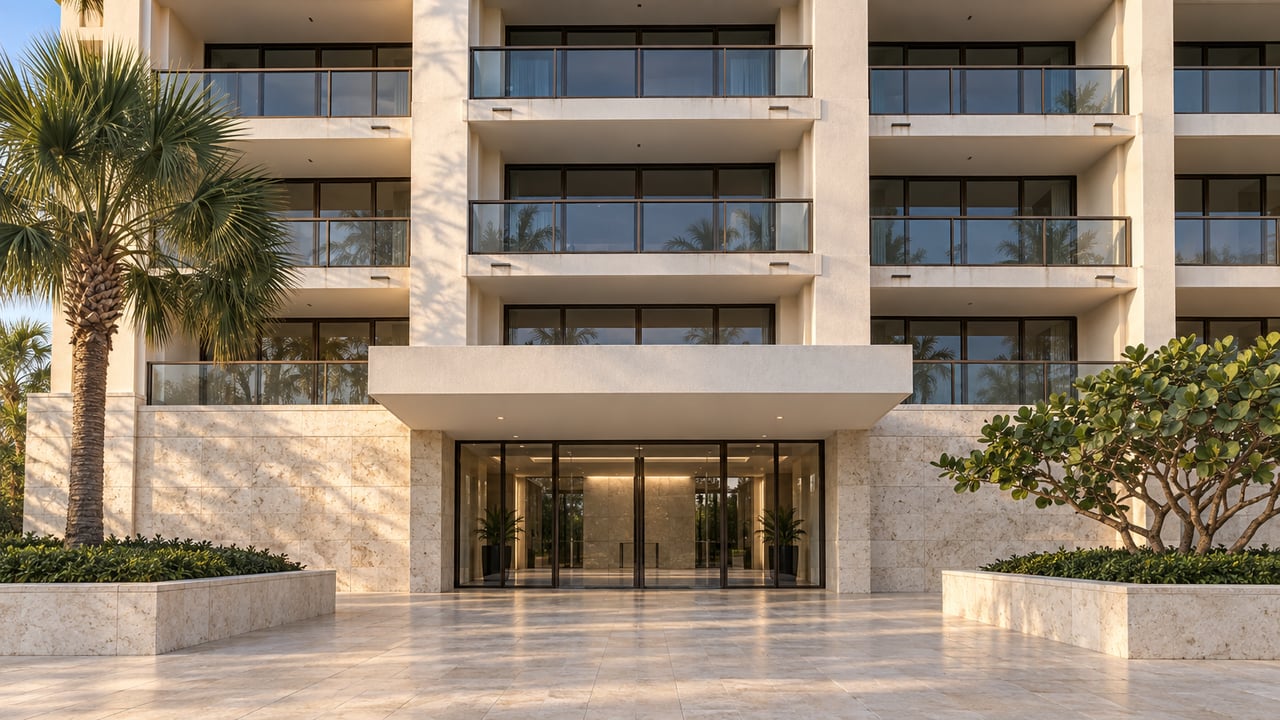
- High-rise and new construction towers (Seaport, Downtown, Midtown). You get amenities like concierge, gyms, and parking, which bring higher dues and larger reserve needs. Lenders also tend to scrutinize these associations more closely.
To understand who maintains what, review the master deed and bylaws under the Massachusetts Condominium Act, Chapter 183A. The statute sets the framework for common elements and unit responsibilities, often called walls-in versus common areas. You can read the law text for deeper context in M.G.L. c. 183A.
Monthly costs to budget
Create a complete monthly budget so nothing catches you off guard. Your typical line items include:
- Mortgage principal and interest
- Condo or HOA fee
- Property taxes. Boston’s FY2026 residential rate is $12.40 per $1,000 of assessed value. You can confirm rates and look up assessments on the City of Boston Assessing page.
- Unit owner insurance (HO-6). This covers your personal property, interior finishes, and often includes loss assessment coverage that can help if the association levies a shared expense. For a plain-English overview of HO-6 coverage types, see this guide to home insurance types.
- Utilities and any parking fees
HOA dues and assessments
Condo fees in Boston vary widely. Drivers include building age, whether heat or hot water is included, elevators or garages, and amenities. Small historic conversions can run a few hundred dollars per month, while full-service towers can run several hundred to $1,000 or more. Rather than chasing a city average, compare dues building by building and line them up against what those dues cover.
Healthy reserves matter. Associations should set aside funds for major repairs and replacements. Low reserves, frequent special assessments, or large upcoming projects without a funding plan are red flags that can raise your near-term costs. A helpful overview of reserve expectations by state is summarized here: HOA reserve fund laws and practices.
Financing and project approval
Condo financing has two layers. Your personal mortgage is one, and the condo project’s eligibility is the other. Many conventional loans require the project to be “warrantable,” which means it meets standards for owner occupancy, reserve levels, delinquency rates, commercial space limits, and similar metrics. If a building is non-warrantable, you may face higher down payments or fewer loan options. For a quick primer on project review and warrantability, see Freddie Mac’s Condo Project Advisor FAQs.
If you are exploring FHA or VA loans, confirm whether the specific condo project is approved or eligible for Single-Unit Approval. FHA rules can be a gatekeeper for whether low down payment programs work in a given building. You can start with HUD’s FHA single-family program overview.
Pro tip: tell your lender the building address as soon as you are serious about a unit. Ask them to verify project approval before you invest time and money in inspections.
Inspections and the 6(d) certificate
Condo inspections focus on the unit interior: walls, ceilings, floors, plumbing fixtures, electrical, in-unit HVAC, windows and doors, and appliances. Inspectors also look hard for water infiltration, especially in older masonry buildings, around shared roofs, and near basements. Typical Boston-area condo inspection costs often fall in the 200 to 500 dollar range depending on size and complexity. Add targeted tests like mold or lead only if indicated by the building’s age or your inspector’s advice.
Ask your agent to check building-level items that impact risk and cost. Examples include boiler or chiller age and service history, elevator modernization dates, window condition in historic buildings, and evidence of any open city violations.
You will also need a resale or estoppel certificate known in Massachusetts as a 6(d) certificate. It states whether condo fees or assessments are owed on the unit and helps protect you and your lender from future association liens. Expect a fee and a turnaround window that can take several days to a couple of weeks. Order it early so your closing stays on track. The legal backbone for these practices sits within the Massachusetts Condominium Act.
Read the condo documents
Request the full resale packet early. At minimum you should review:
- Master deed or declaration and all amendments
- Bylaws, rules, and regulations
- Current operating budget, income and expense statements, and bank statements for operating and reserve accounts
- Any reserve study and the current reserve balance
- Board meeting minutes from the last 12 to 24 months
- Master insurance policy declarations
- Any pending special assessments, warranties, or litigation disclosures
- Resale certificate or 6(d) certificate details and fee
Massachusetts outlines these materials for buyers and sellers in this state resource on condominiums, cooperatives, and timeshares. If you see large projects under discussion without a funding plan, repeated special assessments, or a pattern of rising dues without explanation, ask follow-up questions and loop in your attorney.
Neighborhood quick compare
Use this snapshot to align your wish list with common building types and cost profiles. Actual prices and dues vary by building, so treat this as a starting point.
| Neighborhood | Typical Buildings | HOA Fee Tendencies | Transit/Access | Notable Considerations |
|---|---|---|---|---|
| Back Bay | Historic brownstones, some luxury towers | Small associations often lower; towers higher | Strong transit and walkability | Landmark and exterior work can involve review; higher price per square foot |
| South End | Victorian rowhouses, mid-rise condos | Mixed, depends on heat/hot water and amenities | Good transit and bike routes | Wide range of unit sizes and finishes across blocks |
| Seaport | New high-rise, full-service amenities | Higher due to amenities and garages | Transit and highway access | Review coastal and flood considerations; see Climate Ready Boston |
| Beacon Hill/North End | Historic, compact units | Smaller associations vary | Walkable to downtown | Strict preservation rules; narrow streets and limited inventory |
| Fenway/Kenmore | Newer mid-rise projects, many rentals nearby | Varies by services included | Strong transit options | Proximity to hospitals and schools can affect demand |
| Charlestown | Conversions, newer infill condos | Mixed, often moderate | Transit and highway connections | Converted mills and brick buildings vary in systems and reserves |
First-time buyer checklist
- Confirm a complete budget. Include mortgage estimate, condo fee, Boston property taxes using the city’s FY2026 rate, and insurance. Use the City of Boston Assessing page to verify current numbers.
- Shortlist neighborhoods and building types. Decide if you prefer small self-managed associations or professionally managed buildings with amenities.
- Request the resale packet early. Ask for the master deed, bylaws, current budget, bank statements, reserve study, minutes, master insurance declarations, and details on the 6(d) certificate process and fee. Massachusetts summarizes these materials here.
- Confirm financing and project eligibility. Share the building address with your lender and ask them to verify warrantability and FHA or VA eligibility. Review Freddie Mac’s condo project FAQs and HUD’s FHA overview for program rules.
- Schedule a unit inspection. Add specialty tests only as needed, then compare findings to the association disclosures and reserve plan.
- Coordinate legal review and timing. Have your attorney review documents and confirm the 6(d) timeline so closing stays on schedule.
Buying your first Boston condo is a big move, but it does not have to be complicated. With a clear budget, the right building fit, and early checks on project approval and reserves, you can move with confidence. If you want a seasoned local partner to guide each step and negotiate on your behalf, reach out to Julie Tsakirgis for one-on-one support.
FAQs
What should first-time Boston condo buyers budget each month?
- Plan for mortgage principal and interest, the condo fee, Boston property taxes, HO-6 insurance, utilities, and any parking. Boston’s FY2026 residential tax rate is $12.40 per $1,000 of assessed value per the City of Boston.
How do condo fees in Boston typically vary by building?
- Small historic conversions can be a few hundred dollars per month, while full-service towers with amenities can be several hundred to $1,000 or more. Compare dues to what they include and review reserves and upcoming capital needs.
What is a 6(d) certificate in Massachusetts condo sales?
- It is the resale or estoppel certificate confirming whether fees or assessments are owed and flagging issues that could affect closing. Lenders and title companies usually require a clean 6(d). The legal framework lives in M.G.L. c. 183A.
Can I use an FHA loan to buy a Boston condo?
- Maybe, if the project is FHA approved or qualifies for Single-Unit Approval. Check status early with your lender and review HUD’s FHA program overview.
What does “warrantable” condo mean for my mortgage?
- A warrantable project meets lender guidelines for owner occupancy, reserves, delinquency, commercial space, and other factors. Non-warrantable buildings may require higher down payments or limited loan products. See Freddie Mac’s condo project FAQs.
What building issues should Boston buyers look for during inspection?
- Water infiltration, masonry or façade condition, age and service history of shared mechanicals, elevator modernization dates, and window condition in older buildings. Compare findings with association minutes, budgets, and any reserve study.