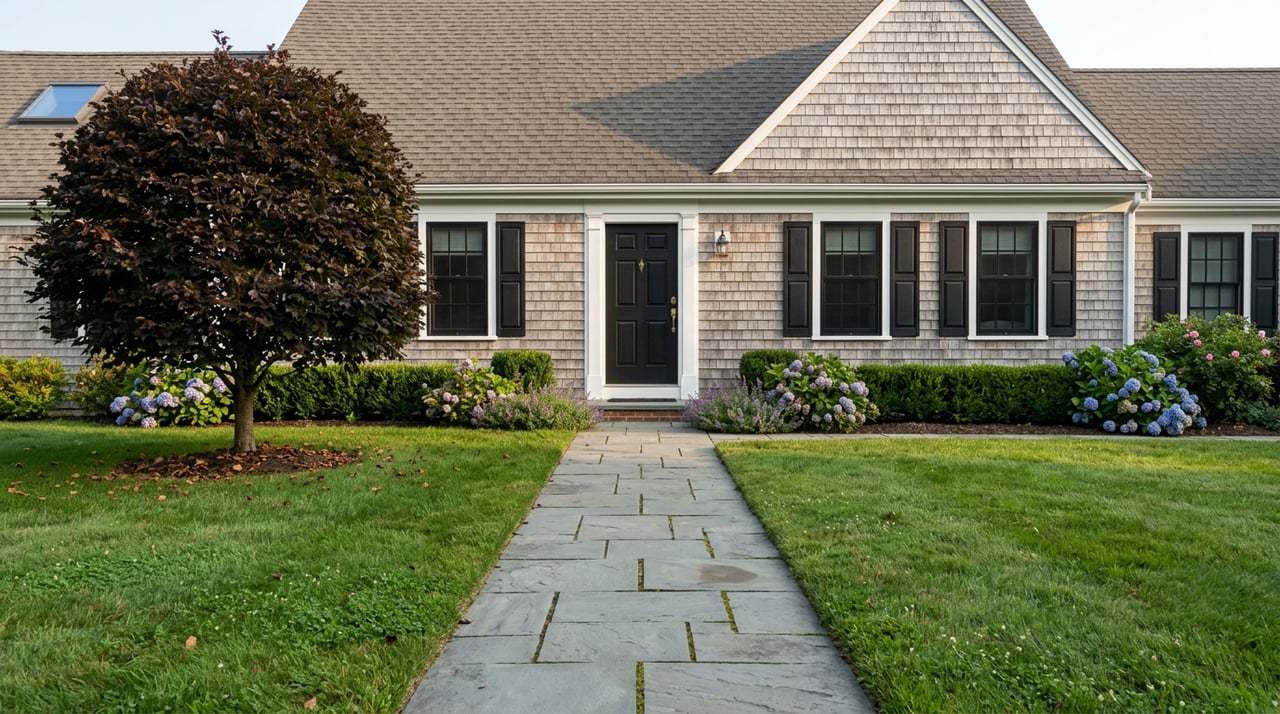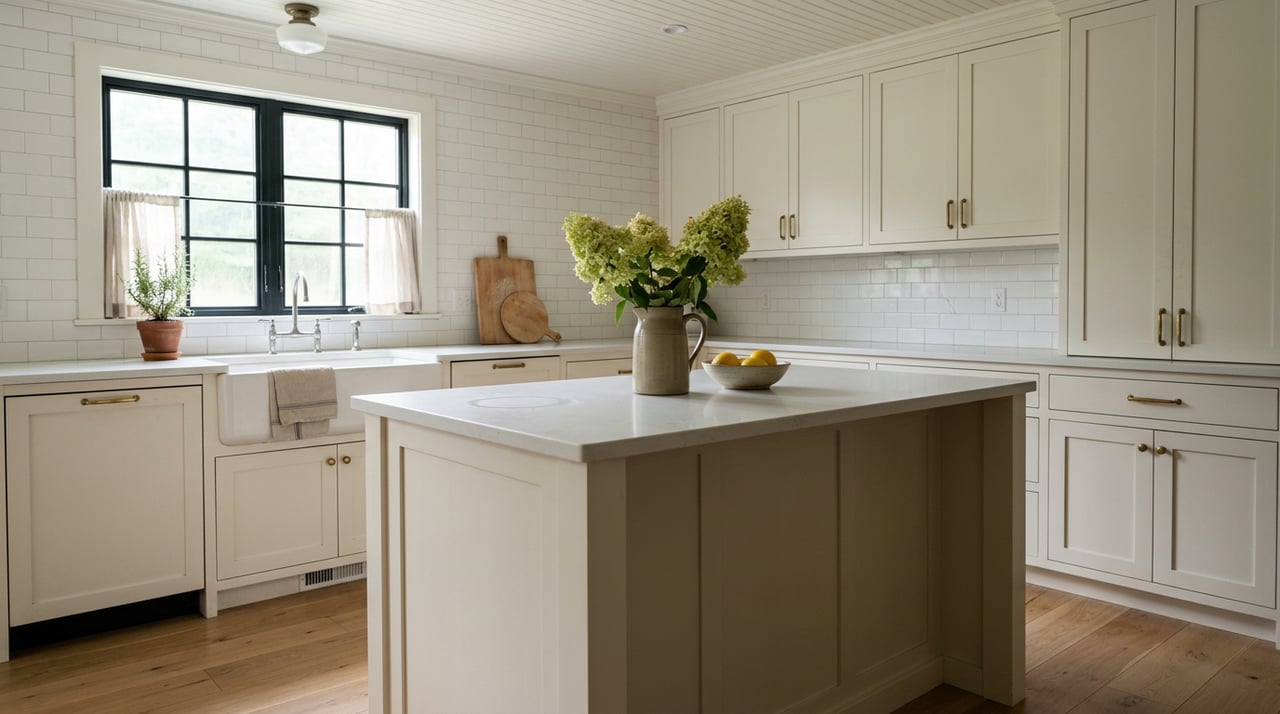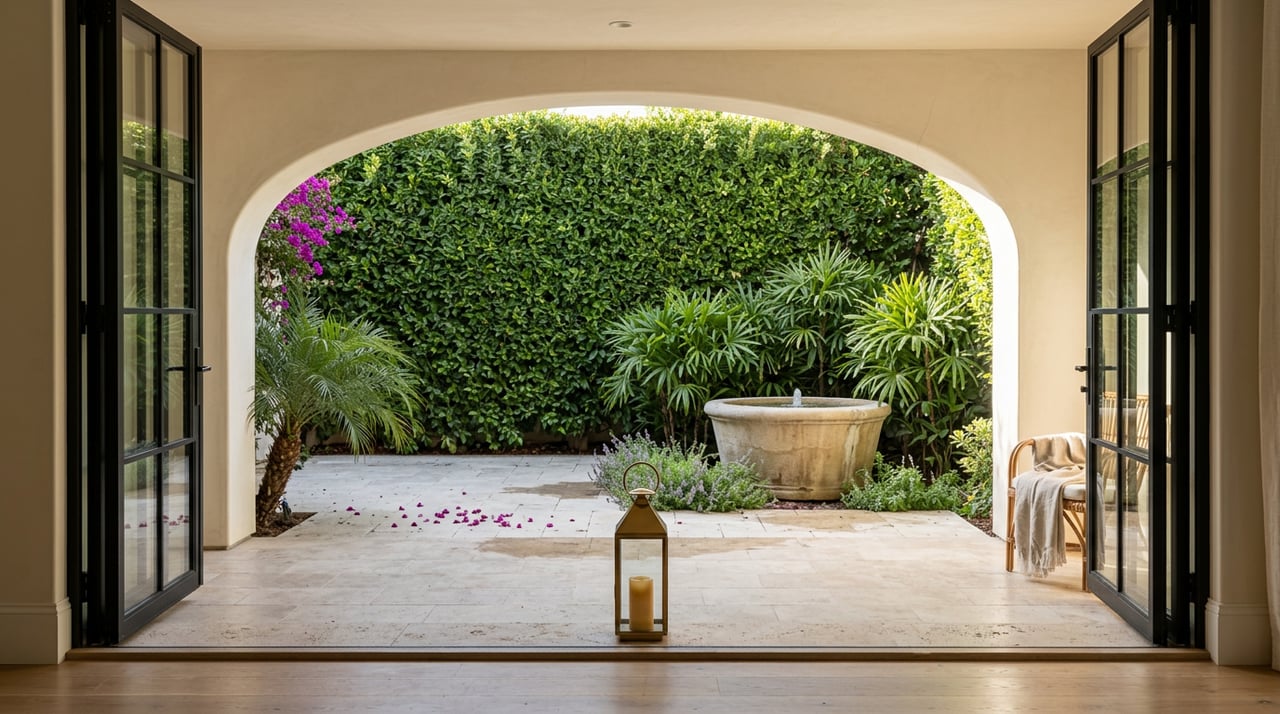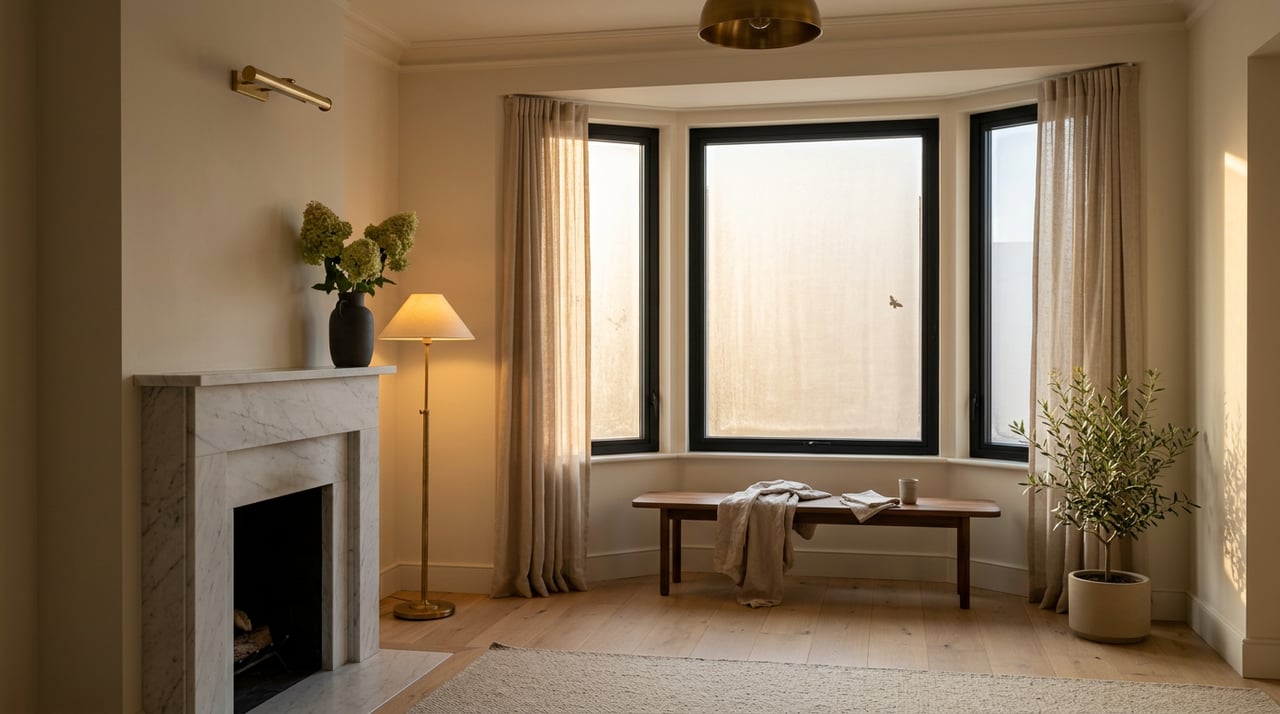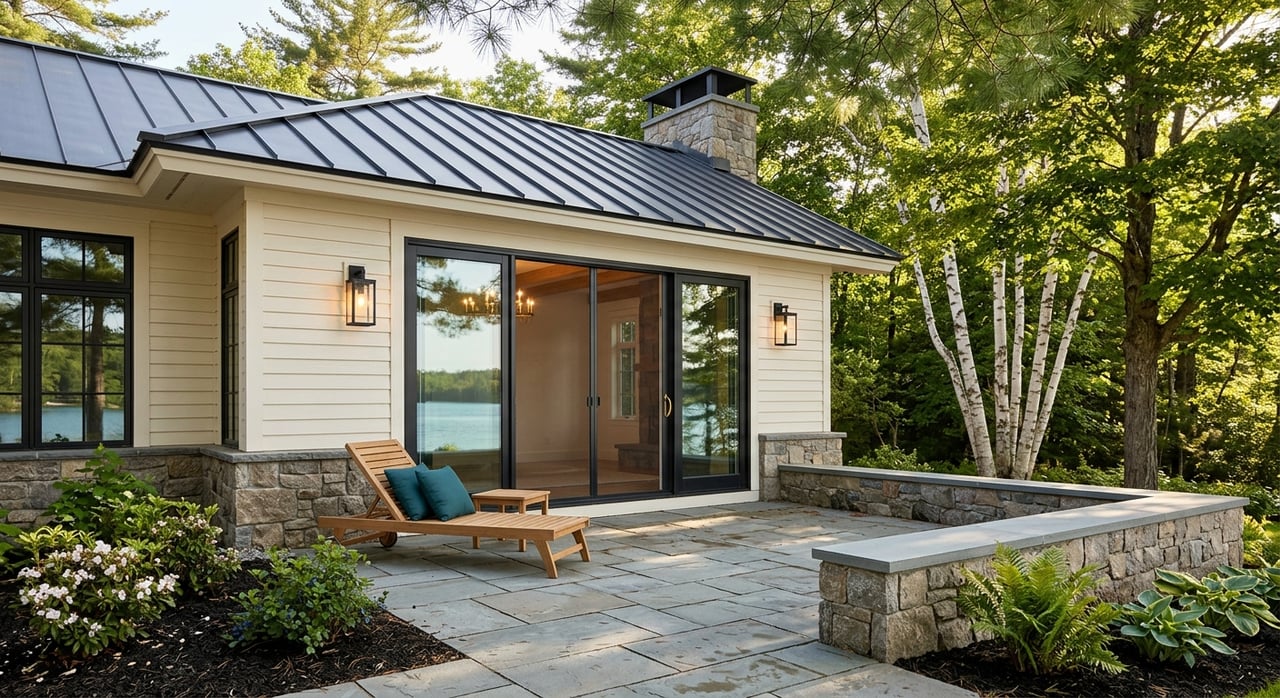
Thinking about a vacation home in New Hampshire? You are not alone. The Lakes and Mountains region offers a rare mix of four-season recreation, easy access from major New England cities, and property types that can support both personal use and rental income. If you want a place where you can unwind now and use with flexibility over time, this guide will help you understand where to focus, what to compare, and what to check before you buy. Let’s dive in.
Why New Hampshire Works for Vacation Homes
New Hampshire’s Lakes and Mountains corridor stands out because it supports year-round travel. According to state tourism research, visitor spending reached $7.8 billion in 2024, with summer generating the highest spending and winter also playing a meaningful role.
For you as a buyer, that matters in two ways. First, it supports long-term demand for second homes in recreation-driven areas. Second, it creates rental interest that often follows the region’s peak travel seasons, especially in lake and ski destinations.
Another advantage is convenience. The same tourism study highlights New Hampshire’s proximity to Boston and other major New England cities, which helps make weekend use and shorter stays more realistic.
Best Areas to Consider
Lakes Region Homes
If you picture boating, waterfront mornings, and summer gatherings, the Lakes Region is often the first place to look. Visit NH describes the area as a year-round destination centered around Lake Winnipesaukee and framed by the Belknap and Ossipee ranges in its Lakes Region spotlight.
Towns buyers often explore include Alton, Gilford, Meredith, Moultonborough, Wolfeboro, and Laconia. The region includes a broad mix of lodging and housing patterns, including resorts, cottages, vacation-home rentals, and camp-style settings, as outlined on Visit NH’s Lakes tour page.
This area can be a strong fit if you want lake access, classic second-home appeal, and heavier summer use. Many buyers focus on lakefront cottages or year-round lake houses, especially near Winnipesaukee and nearby lake systems.
White Mountains Properties
If your ideal retreat is built around hiking, skiing, waterfalls, and scenic drives, the White Mountains deserve a close look. Visit NH tourism resources consistently frame this area as a four-season destination with both winter and summer appeal, including places such as North Conway, Lincoln, Woodstock, Franconia Notch, Waterville Valley, Twin Mountain, Bretton Woods, and Jackson through its regional travel resources.
The property mix here often leans toward cabins, chalets, ski-adjacent homes, and resort-oriented settings. You can also find cabins and cottages highlighted by Visit NH, which reflects the types of homes many buyers seek for personal use and seasonal rental appeal.
This submarket may suit you if you want a base for snow sports in winter and outdoor recreation in warmer months. It is especially worth exploring if you value four-season versatility more than direct waterfront living.
Lake Sunapee and Mt. Sunapee Edge
If you want a blend of lake and mountain access with a more village-oriented feel, the Lake Sunapee and Mt. Sunapee edge can be appealing. Visit NH’s Lake Sunapee scenic drive guide points to Sunapee, Newbury, and New London as part of this broader area.
For some buyers, this location offers a practical middle ground. You may find the lifestyle easier to balance if you want all-season use, manageable access, and proximity to both water and mountain recreation.
Match the Property to Your Goals
The best vacation home is not always the most dramatic one. It is usually the property that matches how you actually plan to use it.
If You Want Personal Retreat Space
You may prefer privacy, views, and features that support your own routine. That could mean lake frontage, room for guests, outdoor living space, or closeness to hiking and ski areas.
In this case, think carefully about how often you will use the home in each season. A beautiful summer property may feel very different once winter access, maintenance, and heating costs become part of the picture.
If You Want Rental Flexibility
A vacation home with rental potential often performs best when it lines up with local travel patterns. Based on New Hampshire’s tourism profile, lake homes may see the strongest interest during summer weeks and holiday weekends, while mountain homes may align better with ski weekends, school breaks, and summer hiking season, as supported by the broader state tourism feasibility study.
That does not guarantee income, but it does help you think more strategically. You want a property whose location, layout, and seasonal appeal make sense for the audience likely to visit that area.
If You Want Simpler Ownership
Not every buyer wants a highly seasonal or maintenance-heavy home. In some cases, a village home with easier year-round access may be a better fit than a remote waterfront or mountain property.
This can be especially helpful if you want spontaneous use throughout the year. Simpler access, easier upkeep, and fewer weather-related challenges can make ownership feel much more enjoyable.
Common Vacation Home Styles
Across New Hampshire’s Lakes and Mountains region, you will usually find property styles that reflect the area’s tourism and recreation identity.
Lakefront Cottages and Lake Houses
These homes appeal to buyers who want direct water access and classic summer use. In the Lakes Region, Visit NH notes the area’s strong vacation-home presence in its regional spotlight.
Cabins and Chalets
These are common in the White Mountains and tend to fit buyers looking for a woodsy setting or proximity to skiing and hiking. Rustic charm can be a plus, but condition and winter readiness matter.
Resort-Adjacent Homes
These properties can appeal if you want four-season convenience and nearby recreation. They may also offer an easier lock-and-leave lifestyle than a more isolated property.
Winterization Matters More Than You Think
A vacation home in this region needs to work in real New Hampshire weather. According to NOAA climate normals for the region, January monthly averages in places like North Conway and Mount Sunapee are in the high teens to around 20 degrees, while July averages are around 68 to 69 degrees.
That seasonal swing makes due diligence essential. Before you buy, pay close attention to:
- Insulation and heating systems
- Plumbing protection and freeze risk
- Roof condition and snow-load readiness
- Driveway access during winter weather
- Snow removal needs and service availability
- Whether the home feels practical for year-round use
A property can look perfect in summer and still create challenges in colder months. If you plan to use or rent it across seasons, those details matter just as much as views and finishes.
Know the Short-Term Rental Rules
If rental income is part of your plan, compliance should be part of your buying strategy from day one.
Under NH RSA 48-A, a vacation rental or short-term rental includes certain houses, dwelling units, condos, co-op or timeshare units, and owner-occupied residential homes offered for a fee for less than 30 consecutive days. The statute treats that use as residential.
The same law also says municipalities cannot use that chapter’s housing-code powers to impose additional restrictions on dwellings used as vacation rentals or short-term rentals. At the same time, the statute notes that short-term rental advertising rules do not override local zoning compliance.
That is why buyers should confirm both state-level requirements and property-specific local considerations early in the process. If renting is important to you, it is smart to verify how the property fits your intended use before you close.
Understand Meals and Rentals Tax
New Hampshire also has a tax framework that affects short-term rental operators. The New Hampshire Department of Revenue Administration states that an operator’s license is required and that the Meals & Rentals tax rate is 8.5%.
The same source explains that taxable rent can include vacation homes, cottages, apartments, lodges, chalets, and similar accommodations. It also states that tax applies to room rentals of less than 185 days, with monthly remittance due on the 15th.
For you, the takeaway is simple. If you want a home that can generate rental income, make sure you understand the tax setup and operating requirements before you buy.
Waterfront Due Diligence Is Essential
Waterfront homes are some of the most desirable properties in the Lakes Region, but they also require extra care during due diligence. The New Hampshire Shoreland Water Quality Protection Act summary explains that protected shoreland extends 250 feet from the reference line, the waterfront buffer is 50 feet, and new septic systems generally must be at least 75 feet from the reference line.
That can affect what you can change, expand, or add over time. Before you assume a dock project, septic update, or site improvement will be straightforward, verify the property’s existing conditions and applicable constraints.
For waterfront buyers, it is wise to review:
- Shoreline setbacks
- Septic location
- Buffer and protected shoreland impacts
- Existing docks or water-access improvements
- Whether future changes may need review or approval
A Smart Buying Strategy
In this market, the right purchase usually comes down to alignment. You want the submarket, seasonality, home style, and compliance picture to support the way you plan to use the property.
A lake house may be ideal if summer use is your priority. A mountain chalet may make more sense if you want ski access and four-season recreation. A village-oriented home may be the better long-term fit if ease of ownership matters most.
With a purchase this personal, practical guidance can make a big difference. If you are exploring a vacation home in New Hampshire’s Lakes and Mountains region, Julie Tsakirgis can help you compare locations, evaluate property fit, and move forward with confidence.
FAQs
What areas should you consider for a vacation home in New Hampshire Lakes and Mountains?
- Many buyers focus on the Lakes Region, the White Mountains, and the Lake Sunapee and Mt. Sunapee area, depending on whether they want waterfront living, ski access, four-season recreation, or easier village-style access.
What property types are common for New Hampshire vacation homes?
- Common options include lakefront cottages, year-round lake houses, cabins, chalets, ski-adjacent homes, resort-area properties, and some village homes that may offer easier maintenance and year-round use.
What should you know about short-term rentals for New Hampshire vacation homes?
- Under NH RSA 48-A, certain homes rented for less than 30 consecutive days can qualify as vacation or short-term rentals, and buyers should also confirm local zoning compliance and advertising requirements before planning rental use.
What taxes apply to short-term rentals in New Hampshire vacation homes?
- The New Hampshire Department of Revenue Administration says an operator’s license is required and the Meals & Rentals tax rate is 8.5% for applicable rentals, with monthly remittance requirements.
What should you check before buying a waterfront vacation home in New Hampshire?
- You should review shoreline setbacks, buffer rules, septic location, dock or water-access features, and any limits under the Shoreland Water Quality Protection Act before assuming future changes will be allowed.
Why does winterization matter for New Hampshire vacation homes?
- Regional climate normals show cold winter conditions, so features like insulation, heating, plumbing protection, snow removal, and winter access can have a major impact on comfort, maintenance, and rental readiness.