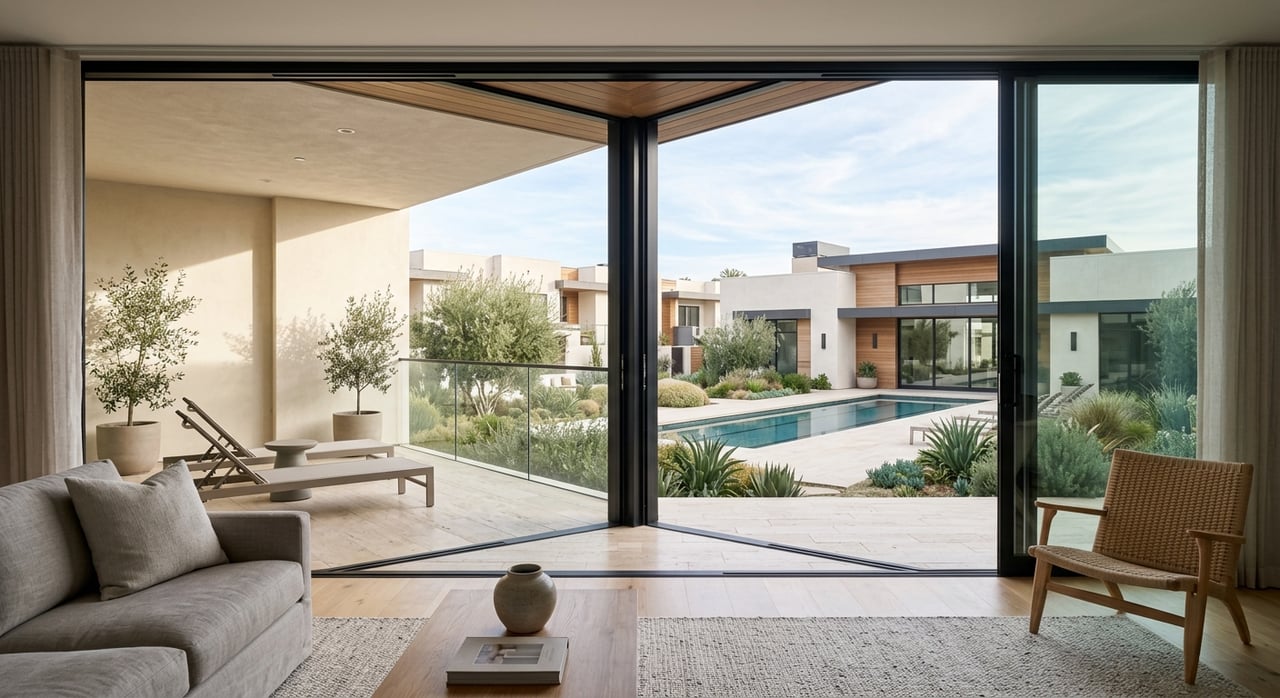
Are you picturing sunny winters in Boca Raton but stuck on one big question: should your winter base be a condo or a house? It is a smart question, especially when you want a place that fits how you actually live, travel, and relax during the season. The right choice depends on your budget, how hands-on you want to be, and whether you value convenience more than privacy. Let’s break it down.
Why Boca Raton Works for Winter Living
Boca Raton has a lot going for it as a seasonal home base. You get beaches, golf courses, parks, and a walkable downtown with dining and shopping, which gives winter residents plenty to enjoy without needing a packed travel schedule.
That mix also helps explain why both condos and single-family homes are popular here. Some buyers want a simple, lock-and-leave property near amenities, while others want more space and more control over their time in Florida.
Condo vs House in Boca Raton
Choosing between a condo and a house is less about which one is “better” and more about which one fits your winter routine. If you expect short stays, easy departures, and less day-to-day upkeep, a condo may feel like the easier choice.
If you want privacy, room for guests, and the option to use the property more like a full home over time, a house may make more sense. Boca Raton offers both paths, but the ownership experience is very different.
What a Condo Offers
A condo often appeals to seasonal buyers because it can be easier to manage when you are only in town part of the year. Shared services and association oversight can reduce the amount of direct maintenance that falls on you.
In Florida, condo ownership is generally considered walls-in. That means the association’s master policy usually covers the exterior structure and common areas, while your HO-6 policy typically covers the interior, personal property, liability, and loss of use.
For many snowbirds, that setup is the biggest benefit. You can come and go with fewer maintenance demands than you would typically have with a detached home.
What a House Offers
A single-family home usually gives you more privacy, more usable outdoor space, and more flexibility. That can matter if you like hosting guests, need extra storage, or think your winter home could become a longer-term residence later.
A house also gives you more independence in how you use the property. That said, more freedom usually comes with more responsibility for upkeep, storm preparation, and insurance planning.
In Florida, an HO-3 homeowners policy typically covers the home’s structure and attached structures. Standard homeowners policies generally exclude flood, so separate flood coverage is often needed depending on the property.
The Lifestyle Tradeoff Matters Most
The condo-versus-house decision often comes down to your comfort with shared rules versus personal responsibility. A condo can make seasonal living simpler, but it also means you are buying into an association structure.
A house gives you more control, but you will likely handle more of the work directly. For some buyers, that tradeoff is worth it for the extra privacy and flexibility.
Condo Living Is More Rule-Driven
Florida condo ownership comes with more documents and more association oversight than owning a detached house. Condo documents may restrict pets, vehicles, parking, rentals, noise, and flooring.
That does not make condos a bad choice. It just means you need to be comfortable reviewing rules carefully before you buy, especially if you think your future plans could change.
House Living Can Still Have Limits
Buying a house does not always mean total freedom. If the home is in an HOA, the governing documents can still control things like exterior paint, landscaping, and structural changes.
So while houses usually offer more independence, it is still important to understand any community rules before you commit. That matters whether you are buying for seasonal use or considering a future full-time move.
Boca Raton Budget Considerations
Price is often one of the biggest factors in this decision. In Palm Beach County, the median sale price in March 2026 was $645,000 for single-family homes and $330,000 for townhouses and condos.
That gap shows why condos often attract winter buyers who want to enter the Boca area at a lower price point. At the same time, Boca Raton itself often sits above county medians, so local pricing can vary significantly by property type, location, and building or neighborhood features.
Recent market snapshots show that range clearly. Realtor.com reported a Boca Raton median listing price of $595,000 last month, while Redfin reported a median sale price of $843,000 over the three months ending April 2026. Those figures measure different things, but together they show Boca has a broad mix of inventory.
What the Market Says Right Now
Market conditions can also shape your decision. In Palm Beach County, single-family inventory stood at 4.7 months of supply with a 42-day median time to contract, while condos and townhomes had 8.5 months of supply and a 71-day median time to contract.
Because 5.5 months is treated as a balanced-market benchmark by Florida Realtors, the condo segment was more buyer-friendly than the single-family segment at that time. For winter-base shoppers, that could mean more options and potentially more negotiating room on condos than on houses.
Boca Raton’s own condo and townhome market was active in the first quarter of 2026, with $229 million in dollar volume, 406 closed sales, and a 69-day median time to contract. If you are leaning condo, this kind of pace suggests a market where careful comparison shopping matters.
Florida Condo Due Diligence Is a Big Deal
If you are considering a condo in Boca Raton, due diligence is not just a box to check. Florida condo rules make document review especially important, and seasonal buyers should take that process seriously.
Residential condo and co-op buildings that are three or more habitable stories must have milestone inspections at 30 years of age, or 25 years if the local enforcement agency requires the earlier trigger. After that, inspections repeat every 10 years.
Residential condominium associations with buildings three or more habitable stories must also complete a structural integrity reserve study at least every 10 years. If reserves are short, associations may need special assessments or loans to meet funding needs.
Why This Matters to You
These rules can affect your ownership costs and your comfort level with a building. A well-run association with solid planning may support peace of mind, while an underfunded building may create future expense questions.
Florida condo buyers also receive a stronger document-review package than HOA buyers. That package includes the declaration, bylaws, rules, annual financial information, milestone inspection report, and the most recent structural integrity reserve study, or a statement that it has not been completed.
Just as important, a condo buyer can cancel within seven business days after receiving the current condo documents. That window gives you time to review the details and make sure the building and rules fit your goals.
Insurance and Ongoing Ownership Costs
Seasonal buyers often focus on the purchase price first, but ongoing costs deserve equal attention. Insurance works differently for condos and houses, and that can affect your total budget.
With a condo, your coverage is generally focused on the interior and your personal liability through an HO-6 policy, while the association’s master policy typically covers the exterior and common areas. With a house, your HO-3 policy typically covers the structure and attached structures, but flood is generally excluded from standard homeowners coverage.
That means house buyers may need to plan for a broader insurance picture. Condo buyers, on the other hand, need to understand what the association covers, what their own policy needs to cover, and how reserve funding could affect future costs.
Don’t Assume You’ll Get Homestead Savings
If this will be a true winter base, property taxes need a realistic look. Palm Beach County says the homestead exemption is for permanent Florida residents who make the property their permanent residence as of January 1.
For many snowbirds who keep another primary home, that means they may not qualify. It is a small detail that can make a meaningful difference when you compare annual ownership costs between properties.
Which Option Fits Your Winter Plans?
The best choice usually becomes clearer when you think about how you will use the property for the next few years, not just the first season. A condo usually fits a buyer who wants lower maintenance, shared amenities, and an easier lock-and-leave setup.
A single-family home usually fits a buyer who wants privacy, yard space, and more control over the property. It can also be the better match if you may eventually turn your Boca home into a primary residence.
A Condo May Be Right If You Want
- Lower day-to-day maintenance
- A simpler seasonal setup
- Shared amenities
- A lower typical entry price than many single-family homes
- A property that is easier to leave for part of the year
A House May Be Right If You Want
- More privacy
- More outdoor space
- Greater flexibility for guests and storage
- More control over how you use the property
- A home that could work well for future full-time living
How to Make the Final Decision
Before you decide, think through your winter routine in practical terms. How often will you visit? Do you want to host family? Are you comfortable reviewing condo documents in detail, or would you rather focus on the property itself and accept more maintenance responsibility?
It also helps to compare not just price, but the full ownership picture. Insurance, association rules, reserve funding, maintenance demands, and long-term flexibility can matter just as much as the number on the listing.
If you are weighing a condo against a house in Boca Raton, the right guidance can save you time and help you focus on properties that truly fit your goals. When you are ready to talk through your winter-base options, connect with Julie Tsakirgis for practical, experienced guidance tailored to your plans.
FAQs
Is a condo or house better for a winter base in Boca Raton?
- A condo is often better for buyers who want lower maintenance and an easier lock-and-leave setup, while a house is often better for buyers who want more privacy, space, and long-term flexibility.
What should Boca Raton condo buyers review before purchasing?
- You should review the declaration, bylaws, rules, annual financial information, milestone inspection report, and the most recent structural integrity reserve study, or a statement that it has not been completed.
Can a Florida condo buyer cancel after reviewing documents?
- Yes. A Florida condo buyer can cancel within seven business days after receiving the current condo documents.
Are Boca Raton condos more affordable than houses?
- In Palm Beach County, the March 2026 median sale price was $330,000 for townhouses and condos and $645,000 for single-family homes, though Boca Raton pricing often runs above county medians.
Do winter homeowners in Palm Beach County qualify for homestead exemption?
- Many seasonal owners do not qualify because the homestead exemption is for permanent Florida residents who make the property their permanent residence as of January 1.