Imagine stepping out for a morning coffee, then walking a few blocks to the beach for a quick loop around Castle Island before work. If that sounds like your kind of city day, South Boston might be a great fit. You want a neighborhood that feels lively but still grounded, with practical commutes, real outdoor space, and enough dining choices to keep weekends interesting. In this guide, you’ll get a clear look at daily life in South Boston, from beaches and bars to housing options, commute tips, costs, and smart tradeoffs to consider. Let’s dive in.
Where South Boston sits
South Boston, often called “Southie,” is the peninsula directly south of downtown Boston. It includes long-standing residential blocks plus the newer South Boston Waterfront, better known as the Seaport. The Seaport has grown quickly with modern housing, offices, and restaurants, while the classic Southie streets hold triple-deckers, rowhouses, and renovated condos.
For official neighborhood context and long-term trends, the Boston Planning & Development Agency’s neighborhood profile is a solid baseline. It documents how the area has grown and diversified since 2000, especially as the Seaport expanded and more young professionals moved in. You can scan that background in the BPDA’s South Boston profile for boundaries, housing stock, and demographic signals. See the BPDA profile.
Daily life by the water
Beaches and Castle Island
Waterfront access is a standout part of living here. Castle Island and the connected Carson and M Street beaches sit right in the neighborhood and are managed by the state’s Department of Conservation and Recreation. In season, you’ll find lifeguards and accessibility services, and all year long residents use the Castle Island loop for walks, runs, and sunset views. It’s common to meet friends for a picnic or a quick stroll after work. Get familiar with the Castle Island, Carson, and M Street beaches.
Parks, Harborwalk, and easy outdoor time
Much of the shoreline is public, with connected pathways and park spaces that make short, scenic outings part of ordinary life. The Harborwalk, Seaport greens, and waterfront plazas give you options for a quick midday break or a weekend jog with water views. If you value fresh air without a long drive, this is a key reason people pick South Boston.
Food, drink, and nightlife
South Boston blends classic and new. Along West and East Broadway and Dorchester Avenue, you’ll find long-standing pubs, bakeries, and casual spots that feel like neighborhood hangouts. A short walk away, the Seaport concentrates many of Boston’s newest restaurants, cocktail bars, and rooftops. That contrast lets you pick your night: low-key local or destination dining on the waterfront. For a sense of the broader Boston dining landscape that flows into Southie and the Seaport, browse this citywide guide from Eater Boston. Explore Boston’s dining scene.
Getting around
Red Line for the core
The MBTA Red Line is the backbone for many commutes. South Boston is served by Broadway and Andrew stations, with direct, quick access to South Station and downtown, plus easy transfers to other lines. If you work in the Financial District or near South Station, this is a straightforward ride. Learn more about Broadway Station and the Red Line connection.
Silver Line and ferries in the Seaport
If your office or go-to spots are in the Seaport, the Silver Line’s Waterfront routes run through the South Boston Piers Transitway and link the district to South Station and Logan. Seasonal ferries also operate on select routes to and from downtown, which can be a pleasant option on milder days. See how the Silver Line serves the Seaport.
Walk, bike, and driving realities
Many parts of Southie are highly walkable, and the Seaport is built with pedestrians in mind. Short bike rides can put you in the heart of downtown or along miles of waterfront in minutes. For drivers, street parking and resident permits are part of life, and logistics can be tight during peak times or major events. For neighborhood-level walkability context and a quick scan of nearby amenities, Redfin’s Boston neighborhood overview is a handy reference. Check Boston neighborhood walkability context.
Housing styles and options
Classic Southie homes
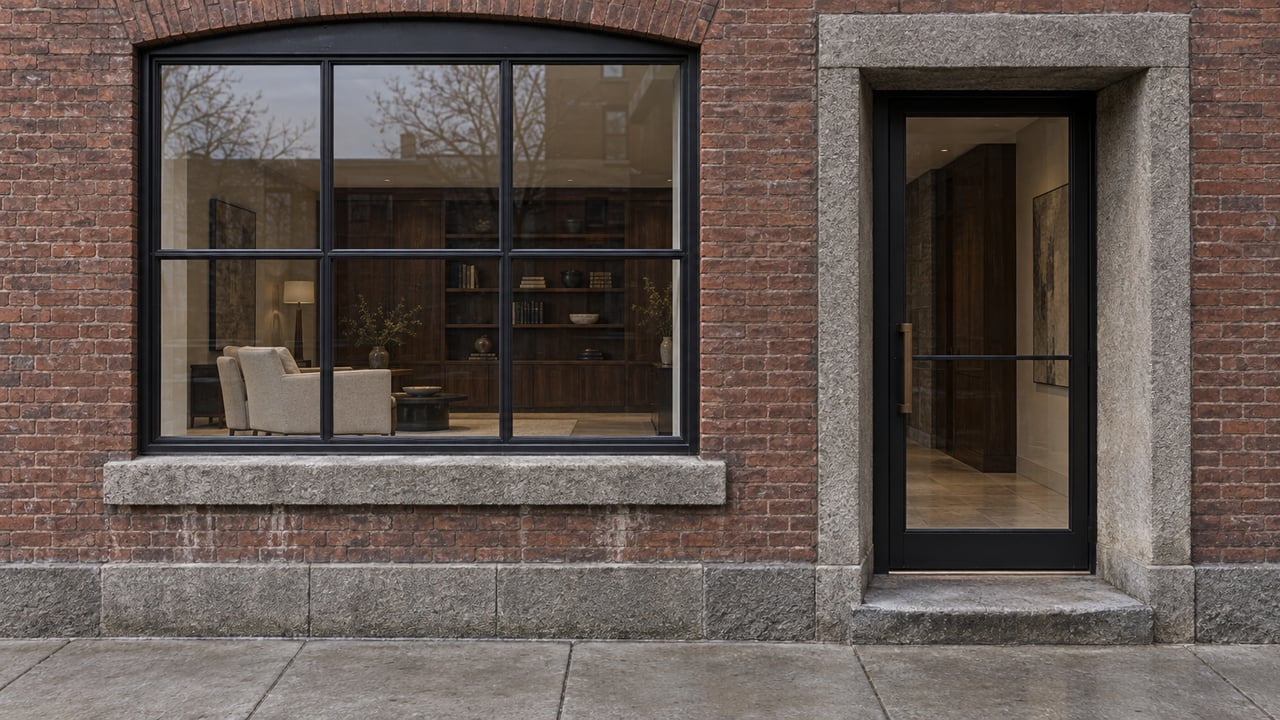
Away from the Seaport, traditional South Boston blocks feature wood-frame triple-deckers, brick rowhouses, and brownstones. Many have been renovated or converted into condos over the years, often with a blend of original character and updated interiors. If you want a neighborhood feel with a shorter walk to Broadway’s cafes and pubs, this is where many buyers and renters look.
Seaport condos and rentals
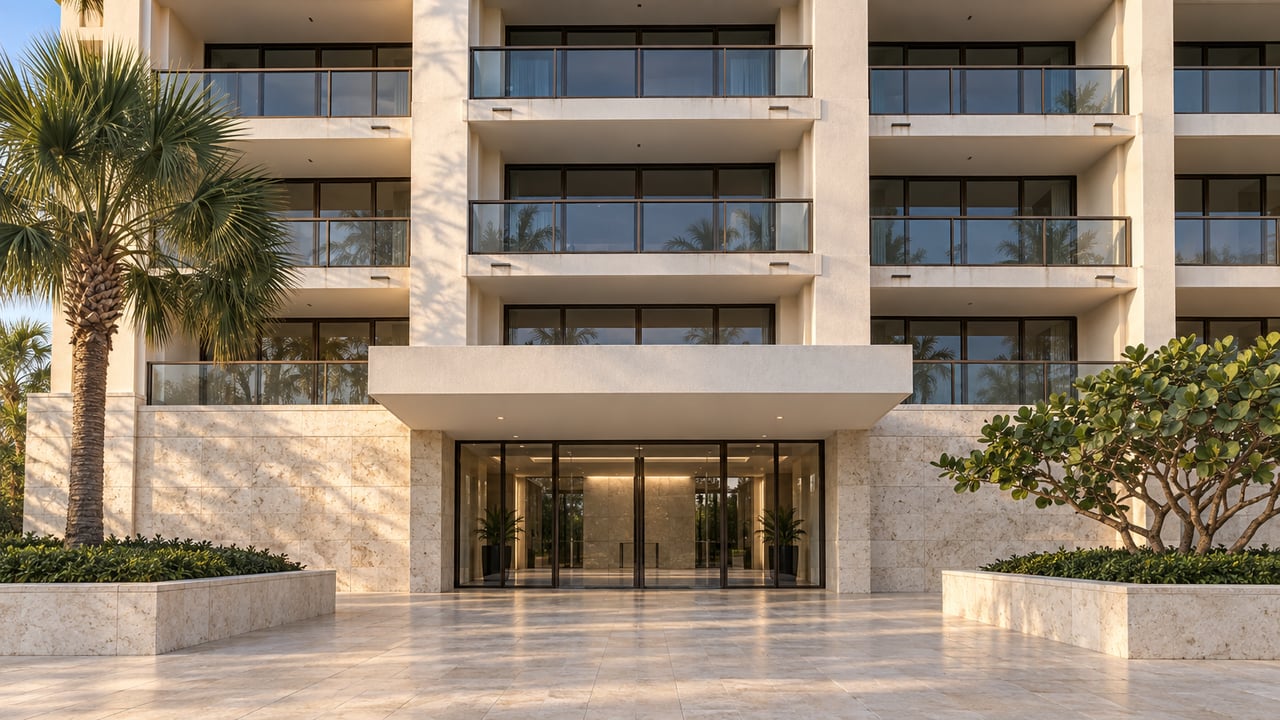
The South Boston Waterfront has a different profile. You’ll see mid- and high-rise condo buildings and amenity-rich rentals close to offices, gyms, and restaurants. Homes here tend to command higher prices than older parts of Southie, but the tradeoff is newer construction, elevators, parking options in select buildings, and a fast walk to the waterfront.
For a historical view of how the housing stock has evolved, the BPDA profile is a useful baseline. Review South Boston’s housing background.
Market snapshot — March 2026
Prices and rents shift month to month, so treat any single figure as a snapshot. Here’s what you can expect to see on the ground right now:
- Homes: Across South Boston, many sales land in the mid six figures to low seven figures, with Seaport units typically priced above older parts of Southie. For live listings and real-time comps, scan current Redfin pages to get a feel for asking prices and closing activity. View a live South Boston Redfin listing.
- Rents: Typical one-bedroom rents often range from roughly $2,500 to $3,500+, depending on building class, location, and season. Listing feeds move quickly, so check active pages to confirm today’s range. See current 1-bedroom listings in South Boston.
Tip: If you’re comparing options, ask your agent to pull a fresh set of comps and on-market data before you tour, so you can move quickly with confidence.
Community feel and local events
South Boston retains a strong neighborhood identity while welcoming new residents who work in tech, biotech, finance, and creative fields. You will notice that blend in the places people gather and in the rhythm of the calendar. The biggest community moment is the annual St. Patrick’s Day and Evacuation Day parade, which draws large crowds and can make travel in and out of the area challenging for a day. If you plan to attend, check event coverage for the latest route and timing. See a guide to the South Boston St. Patrick’s Day parade.
Flood resilience and waterfront planning
As a waterfront area, parts of South Boston and the Seaport face long-term sea level rise and storm-related flood risks. If you are buying or renting near the water, ask about building elevation, basement or garage flood protections, flood insurance requirements, and access during severe weather. The City’s coastal resilience planning resources outline ongoing projects and priorities that are shaping future protections along the shoreline. Learn about Boston’s coastal resilience planning.
Pros, cons, and smart tradeoffs
Every close-in neighborhood has tradeoffs. Here are the big ones to weigh for South Boston:
Pros
- Beaches and waterfront parks inside city limits make quick outdoor time easy. Castle Island, Carson, and M Street beaches are local favorites.
- Strong neighborhood identity with a mix of classic pubs and modern Seaport spots.
- Very good transit access to downtown via the Red Line, plus Silver Line service in the Seaport.
- Highly walkable blocks and short bike rides to many job centers.
Cons
- Higher home prices and rents than many other Boston neighborhoods, especially in the Seaport.
- Street parking pressure and resident-permit logistics if you own a car.
- Event crowds during the parade and Seaport happenings.
- Localized flood risk and ongoing shoreline resilience projects in some areas.
Practical tips for choosing your spot
- Test your commute at your usual time, both by transit and by car or bike.
- If you are near the waterfront, ask about building flood measures, insurance, and garage design.
- Clarify resident parking rules early if you plan to keep a car.
- Compare HOA fees and amenities against square footage and location.
- Ask about noise and street closures near major event routes.
- In summer, plan for busy beach weekends and adjust parking or rideshares accordingly.
Ready to explore South Boston homes?
If you want a neighborhood that puts beaches, harbor views, and a vibrant dining scene within easy reach, South Boston delivers. When you are ready to tour listings or compare condo options, you deserve a steady hand on pricing, negotiation, and timing. Connect with a local team that pairs decades of Greater Boston experience with clear advice and full-service support. Start your South Boston search with Julie Tsakirgis and move with confidence.
FAQs
Is South Boston walkable if I rely on errands and transit?
- Yes. Many South Boston blocks are highly walkable, and the neighborhood connects easily to downtown by the Red Line, with the Silver Line serving the Seaport.
How do I commute from South Boston to downtown Boston?
- Most residents use the Red Line from Broadway or Andrew for direct access to South Station and downtown, or the Silver Line for Seaport and Logan transfers.
Are there beaches in South Boston and what are they like?
- Yes. Castle Island and Carson/M Street beaches are local staples with seasonal lifeguards and accessible amenities, making quick seaside trips part of everyday life.
What are typical South Boston rents and home prices in 2026?
- Expect many home sales in the mid six figures to low seven figures, with Seaport units higher on average. One-bedroom rents often range from about $2,500 to $3,500+ depending on building and location.
What are the main tradeoffs of living in South Boston?
- You get exceptional waterfront access and strong transit, with higher housing costs, tighter parking, large event days, and some waterfront flood considerations to plan for.