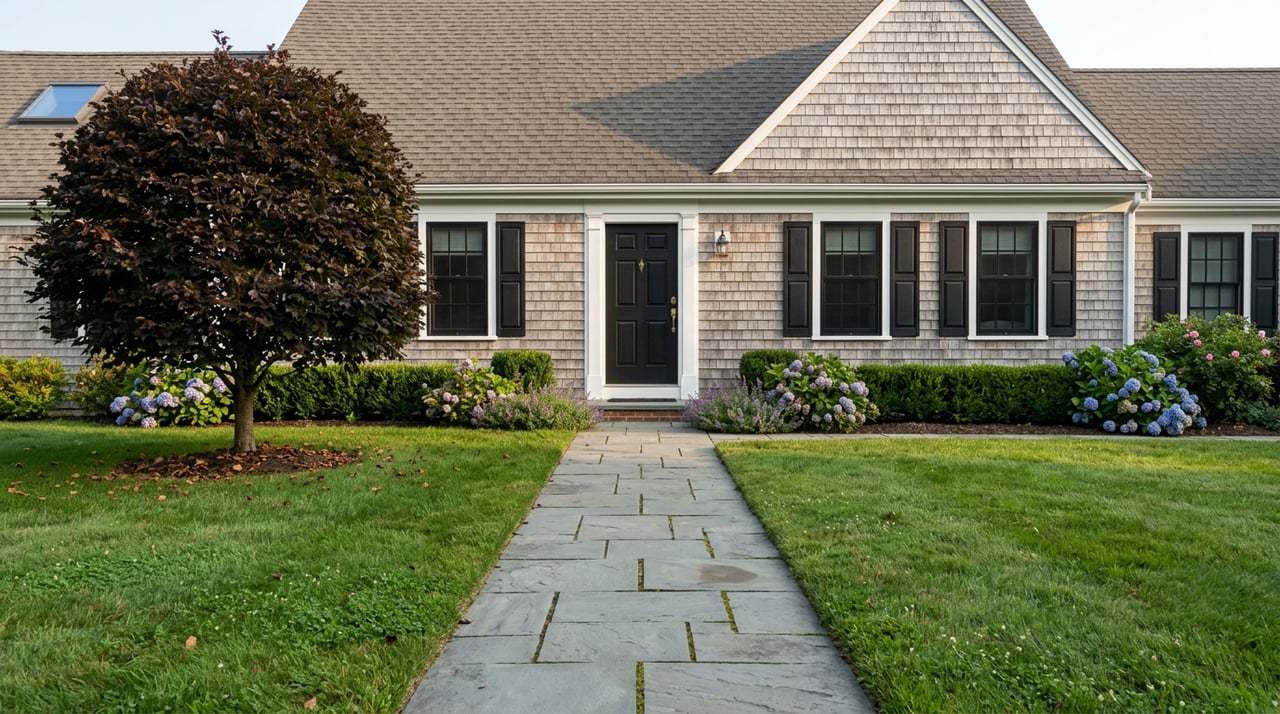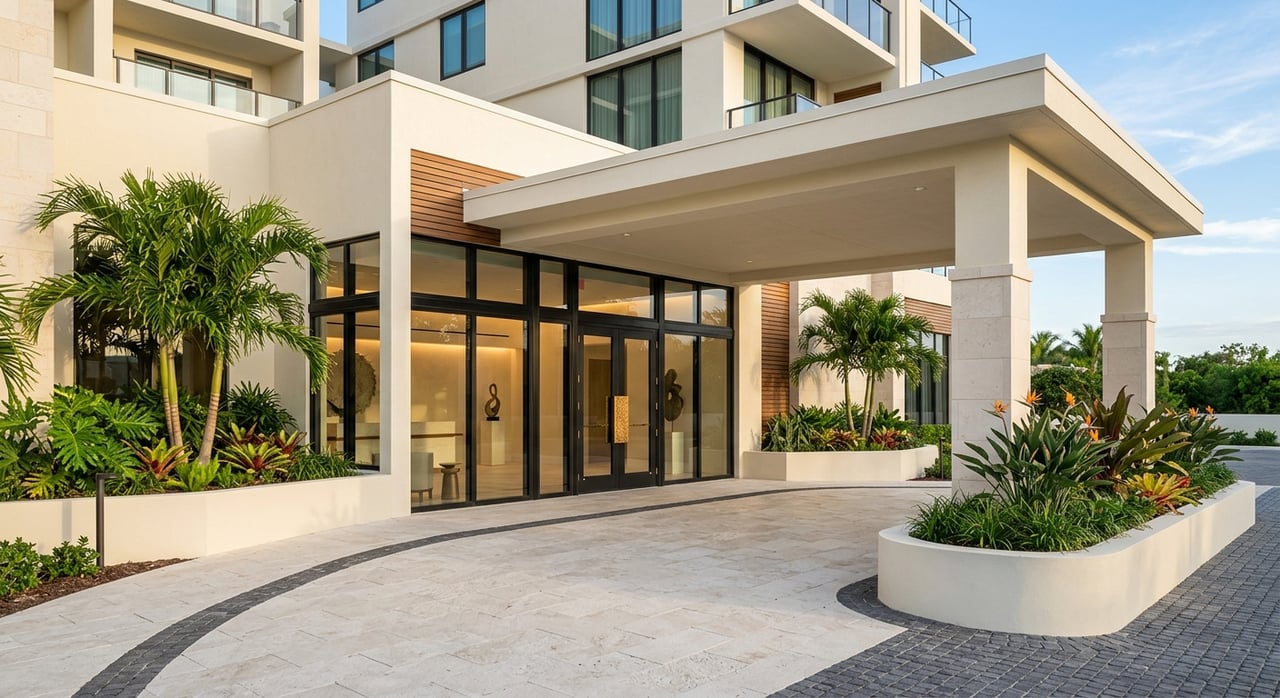
If winter in New England leaves you dreaming about a simpler Florida setup, a Boca Raton condo can make a lot of sense. You get sunshine, beach access, and a lock-and-leave lifestyle that is often easier to manage than a single-family home. But buying a winter base here is not just about the view or the location. It is also about understanding condo rules, fees, insurance, and building conditions before you close. Let’s dive in.
Why Boca Raton Works for Snowbirds
Boca Raton offers a mix of lifestyle and convenience that appeals to many seasonal buyers. The city maintains more than 4.75 miles of shoreline, and its official city resources highlight beach parks, outdoor recreation, and year-round activities that support an easy winter routine. If you want a home base that feels active without requiring constant upkeep, Boca can check that box.
Travel is another reason buyers look here. According to the Boca Raton Airport Authority, Boca Raton Airport is a general aviation facility near I-95, while nearby commercial travel is commonly handled through regional airports such as Palm Beach International. For many snowbirds coming from Massachusetts or New Hampshire, that means practical air access without needing a commercial airport inside the city itself.
Why a Condo Fits Winter Living
For many seasonal owners, the biggest draw of condo living is convenience. You may have less exterior maintenance to think about, shared amenities, and a property that is easier to secure when you head back north.
That said, a condo is not just real estate. It is also membership in a governed community with rules, budgets, insurance structures, and shared financial responsibilities. In practical terms, buying a Boca condo is often less like buying a standalone house and more like buying into a regulated, fee-based housing system.
Know the Rules Before You Buy
Condo rules are community-specific
One of the most important things to understand is that seasonal-use rules are set by each association, not by the city. That means two buildings in Boca Raton can have very different policies on leasing, guest stays, pets, parking, or storage.
Under Florida condo law, associations can place restrictions on use, occupancy, sale, lease, and transfer, and those limits must be disclosed in the resale materials when they apply. The state’s condominium guidance from DBPR makes clear that buyers should review these documents carefully, especially when buying for part-time occupancy.
Leasing and guest policies matter
If you think you may rent the condo at some point, even occasionally, verify the minimum lease period and any approval requirements before you commit. Florida disclosure law requires lease restrictions and related controls to be identified in the prospectus or offering materials when applicable, which makes this a key due-diligence item for seasonal owners.
Guest rules matter too. If you expect family visits during the winter, ask how long guests can stay and whether any age or occupancy limits apply.
Age-restricted communities need extra review
Some condo communities are age-restricted. Under HUD’s housing-for-older-persons exemption, at least 80% of occupied units must have one resident age 55 or older, and communities must maintain published policies and age-verification procedures. You can review the federal framework in this HUD housing for older persons guide.
For some buyers, a 55+ community is a great fit. For others, especially if younger family members may visit often, it can create limitations that are worth understanding up front.
What You Should Review in the Resale Package
Florida gives resale buyers access to a substantial set of condo documents. These typically include the declaration, articles, bylaws, rules, annual financials and budget, the FAQ document, and milestone or reserve-study materials when required.
This matters because the documents tell you how the building operates, what the fees support, and what obligations you take on as an owner. Under Florida Statute 718.503, missing or late required disclosures can also affect your contract rights, including a possible 7-day cancellation period in certain situations.
Pay close attention to these items
When you review a Boca condo for winter use, focus on these details:
- Minimum lease periods and rental approval rules
- Guest and occupancy policies
- Pet restrictions
- Parking assignments and storage limits
- What amenities are included in dues
- Whether any club or recreation fees are mandatory
- Current budget, reserves, and recent financial trends
- Pending or recent special assessments
- Milestone inspection and reserve-study status when applicable
For absentee owners, records access is especially important. Under Florida Statute 718.111, associations must make official records available within 10 working days of a written request and may provide electronic access, which can make out-of-state review much easier.
Insurance and Storm Risk Are Major Factors
Association insurance does not cover everything
Many buyers assume the condo association’s master policy covers most major risks. In reality, Florida law requires the association to insure the building structure and common elements based on replacement cost, but that policy does not replace your own unit-owner coverage.
According to Florida Statute 718.111, association coverage generally excludes personal property and many interior items such as floor coverings, appliances, cabinets, and window treatments. In other words, you should not assume the building policy protects everything inside your unit.
Your own policy still matters
Florida also requires a condo unit-owner policy to include at least $2,000 in loss assessment coverage for covered losses. The law, found in Florida Statute 627.714, is a reminder that you may still face shared costs tied to building losses even if the association carries insurance.
For a winter-base buyer, this is a practical budgeting issue. Monthly dues are only part of the picture. You also want to understand your personal insurance needs and the building’s deductible exposure.
Reserves, Inspections, and Assessments
Older buildings need closer scrutiny
Post-Surfside condo laws changed the due-diligence process for many Florida buildings. Under Florida Statute 553.899, buildings that are three habitable stories or more must complete milestone inspections at set intervals, and many associations must also complete structural integrity reserve studies.
For buyers, these requirements are not background details. They can directly affect monthly fees, reserve funding, and the likelihood of future special assessments.
Contract disclosures now reflect building status
After December 31, 2024, condo contracts must disclose whether milestone inspection, turnover inspection, or structural integrity reserve study requirements have been completed when applicable. Buyers must also receive the relevant documents before closing, as described in Florida Statute 718.503.
If you are comparing older Boca buildings, this is one of the fastest ways to separate a manageable opportunity from a property that may come with near-term financial pressure.
Special assessments are a real risk
Florida law allows associations to assess owners for common expenses caused by a natural disaster or act of God when those costs are not fully covered by insurance. You can see that framework in Florida Statute 718.116.
That is why it is smart to look beyond the monthly condo fee. Reserve strength, assessment history, inspection results, and insurance gaps all shape the true cost of ownership.
Questions to Ask Before Closing
If you are buying a Boca Raton condo as your winter base, these are some of the most useful questions to ask:
- Can I use the condo seasonally without any occupancy issues?
- If I want to rent it later, what are the minimum lease terms and approval steps?
- Are there guest limits that could affect visiting family?
- Are any amenities tied to separate club or recreation fees?
- What does the association insurance cover, and what will I need to insure personally?
- Is the building current on required inspections and reserve studies?
- Have there been recent or pending special assessments?
- How easy is it to access records and manage ownership while living out of state?
These questions can save you from expensive surprises. They also help you compare buildings on more than just price and appearance.
A Practical Way to Evaluate Boca Condos
The right winter condo should match both your lifestyle and your tolerance for oversight. If your goal is easy seasonal living, you want a property that offers convenience without unclear rules or hidden costs.
A practical review often comes down to five core areas:
- Location and access for travel, beaches, and daily convenience
- Association rules for occupancy, guests, pets, and rentals
- Financial health including reserves, budgets, and assessments
- Insurance structure at both the building and unit-owner level
- Building condition including milestone inspections and reserve-study status
That kind of careful review is especially important if you are buying from out of state. It helps you make a confident decision instead of simply reacting to a beautiful showing.
Bottom Line for Snowbird Buyers
Buying a Boca Raton condo as your winter base can be a smart move if you want a low-maintenance place to enjoy the season. Boca offers shoreline access, outdoor living, and convenient regional travel, which makes it attractive for buyers splitting time between Florida and New England.
The key is to look beyond the unit itself. Rules, reserves, insurance, inspections, and assessments all shape your ownership experience. If you want experienced guidance as you compare condos and navigate the details, connect with Julie Tsakirgis for practical, relationship-driven support.
FAQs
What makes Boca Raton a good winter base for seasonal owners?
- Boca Raton offers shoreline access, beach parks, outdoor recreation, and practical regional airport access, which can make it a convenient and enjoyable place to spend the winter.
What should you check before buying a Boca Raton condo for seasonal use?
- You should review the association’s rules on occupancy, guests, leasing, pets, parking, amenities, fees, reserves, inspections, and any pending assessments.
Do Boca Raton condo associations allow short-term or seasonal rentals?
- It depends on the community, because leasing rules are association-specific and may include minimum lease periods, approval requirements, or other restrictions.
What insurance do you need when buying a Boca Raton condo?
- The association usually insures the building structure and common elements, but you still need a unit-owner policy for personal property, interior finishes, and required loss assessment coverage.
Why do milestone inspections matter when buying a Boca Raton condo?
- Milestone inspections can reveal building condition issues and may affect reserves, fees, or future special assessments, especially in older buildings that meet Florida’s inspection thresholds.
How can out-of-state buyers review Boca Raton condo records?
- Florida law requires associations to provide access to official records within a set timeframe after a written request, and electronic access may be available for easier remote review.